
silicone adjuvant
What Is the Shelf Life of an Opened Container of Silicone Adjuvant? - silicone adjuvant factory and suppliers
silicone adjuvant factory and suppliers
silicone adjuvant
Information Center
Everything you need to know about our products and company
What Is the Shelf Life of an Opened Container of Silicone Adjuvant?
For agricultural professionals and agrochemical formulators, understanding the shelf life of an opened container of silicone adjuvant is critical for maintaining product efficacy and operational efficiency. While unopened containers typically maintain stability for 12-36 months depending on the formulation, once opened, silicone adjuvants face accelerated degradation risks that require careful management .
Why Opened Silicone Adjuvants Degrade Faster
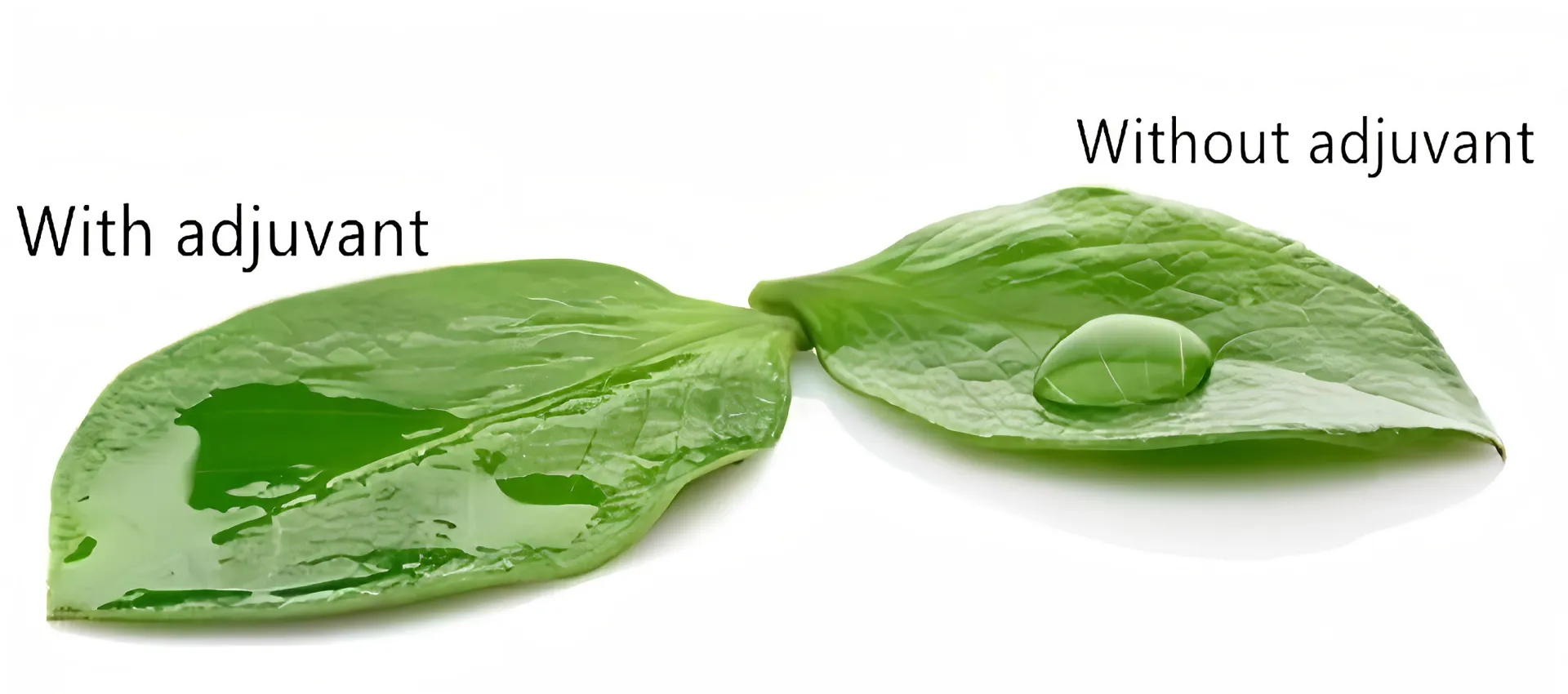
Silicone adjuvants are sophisticated chemical formulations designed to enhance the performance of pesticides, herbicides, and fungicides. Once the original seal is broken, these products become exposed to environmental factors that can significantly reduce their effectiveness and lifespan .
The primary degradation triggers for opened silicone adjuvants include:
- Moisture intrusion: Silicone compounds have strong hygroscopic properties, meaning they absorb moisture from the air, which can lead to hydrolysis and separation of components
- Oxidation: Exposure to oxygen can cause chemical changes that reduce surface activity and spreading capability
- Temperature fluctuations: Repeated heating and cooling cycles accelerate molecular breakdown
- Contamination: Introduction of foreign materials from spray equipment or storage conditions can compromise formulation integrity
Industry Standards for Opened Container Shelf Life
While specific data for opened containers varies by product, industry benchmarks provide helpful guidance:
| Product Type | Unopened Shelf Life | Estimated Opened Shelf Life | Key Preservation Factors |
|---|---|---|---|
| Standard silicone emulsion (e.g., DOWSIL 108F) | 12 months | 6-9 months | Airtight seal, cool conditions |
| Premium surface additives (e.g., BYK-306 SG) | 60 months | 24-30 months | Minimal air exposure, stable temperatures |
| Specialty adjuvants (e.g., BYK-379) | 36 months | 18-24 months | Proper resealing, contamination prevention |
Leading silicone adjuvant factories like Biyuan incorporate advanced stabilization technologies to extend product longevity even after opening. Their Biyuan Silvex 3240 formulation features protective additives that resist oxidation and moisture absorption, maintaining efficacy for up to 12 months after opening when stored correctly .
Proper Storage Practices for Maximum Longevity
Implementing disciplined storage protocols is essential for preserving the performance of opened silicone adjuvant containers. Based on manufacturer recommendations and industry best practices, the following guidelines can significantly extend usable product life :
Optimal Storage Conditions
- Temperature control: Maintain storage temperatures between 15°C and 30°C (59°F-86°F). Avoid locations where temperatures exceed 35°C (95°F) or drop below 5°C (41°F)
- Humidity management: Store in low-humidity environments (below 60% relative humidity) to prevent moisture absorption that can lead to component separation
- Light protection: Keep containers away from direct sunlight, as UV radiation can degrade silicone polymers and reduce surface activity
Container Management Techniques
- Resealing immediately after use: Transfer unused product to smaller containers to minimize air space, or ensure original containers are tightly sealed
- Vertical storage position: Keep containers upright to prevent leakage and reduce surface area exposure to air
- Dedicated equipment use: Avoid introducing contaminated implements into the container, which can introduce degradation catalysts
- Regular inspection: Check opened containers every 30-60 days for signs of separation, discoloration, or unusual odor
Recognizing Signs of Silicone Adjuvant Degradation
Even with proper storage, opened silicone adjuvants will eventually degrade. Recognizing the visual and performance indicators of deterioration can prevent ineffective applications :
- Visual changes: Separation into distinct layers that cannot be reincorporated through mixing, unusual coloration (yellowing or darkening), or precipitation of solids
- Texture alterations: Increased viscosity or thickening, gel formation, or inconsistent flow properties
- Performance issues: Reduced spreading capability, increased surface tension, or decreased rainfastness in field applications
Agricultural operations that observe these changes should discontinue use of the compromised product, as degraded adjuvants may not provide the expected performance benefits and could potentially interfere with pesticide efficacy.
How Biyuan Addresses Shelf Life Challenges Through Product Innovation
As a leading silicone adjuvant factory, Biyuan integrates shelf life considerations directly into product development. Their research and development focus extends beyond initial efficacy to encompass real-world usability throughout the product lifecycle .
Biyuan’s formulations incorporate several stability-enhancing features:
- Advanced stabilization packages that resist oxidation and hydrolysis, even after repeated opening and closing
- UV-resistant components that maintain integrity when stored in typical agricultural settings
- Precision packaging designed to minimize air space and incorporate oxygen barrier technologies
These innovations ensure that Biyuan’s silicone adjuvants deliver consistent performance from first use to last, reducing waste and improving return on investment for agricultural operations .
Economic Impact of Proper Silicone Adjuvant Storage
The financial implications of proper silicone adjuvant storage are significant for farming operations. Degraded products not only represent direct financial loss through wasted materials but can also lead to:
- Reduced pesticide efficacy requiring additional applications
- Crop losses from inadequate pest or disease control
- Increased environmental impact from ineffective applications that may require respraying
By implementing proper storage protocols for opened containers, agricultural operations can maximize the value of their adjuvant investments while maintaining consistent crop protection outcomes. Biyuan’s technical support team works directly with clients to develop customized storage protocols that align with specific operational constraints and environmental conditions .
Conclusion: Maximizing Value Through Proper Storage Management
The shelf life of an opened container of silicone adjuvant depends heavily on storage conditions and handling practices. While typical degradation begins within 6-24 months after opening, disciplined management can significantly extend usable product life. Leading manufacturers like Biyuan recognize that shelf life considerations are integral to product performance and customer satisfaction, investing in formulation technologies that maintain efficacy throughout the product lifecycle.
By understanding the factors that influence silicone adjuvant stability after opening and implementing science-based storage protocols, agricultural professionals can ensure consistent performance while maximizing the value of their crop protection investments.
Factory Products
Our most popular products loved by customers worldwide
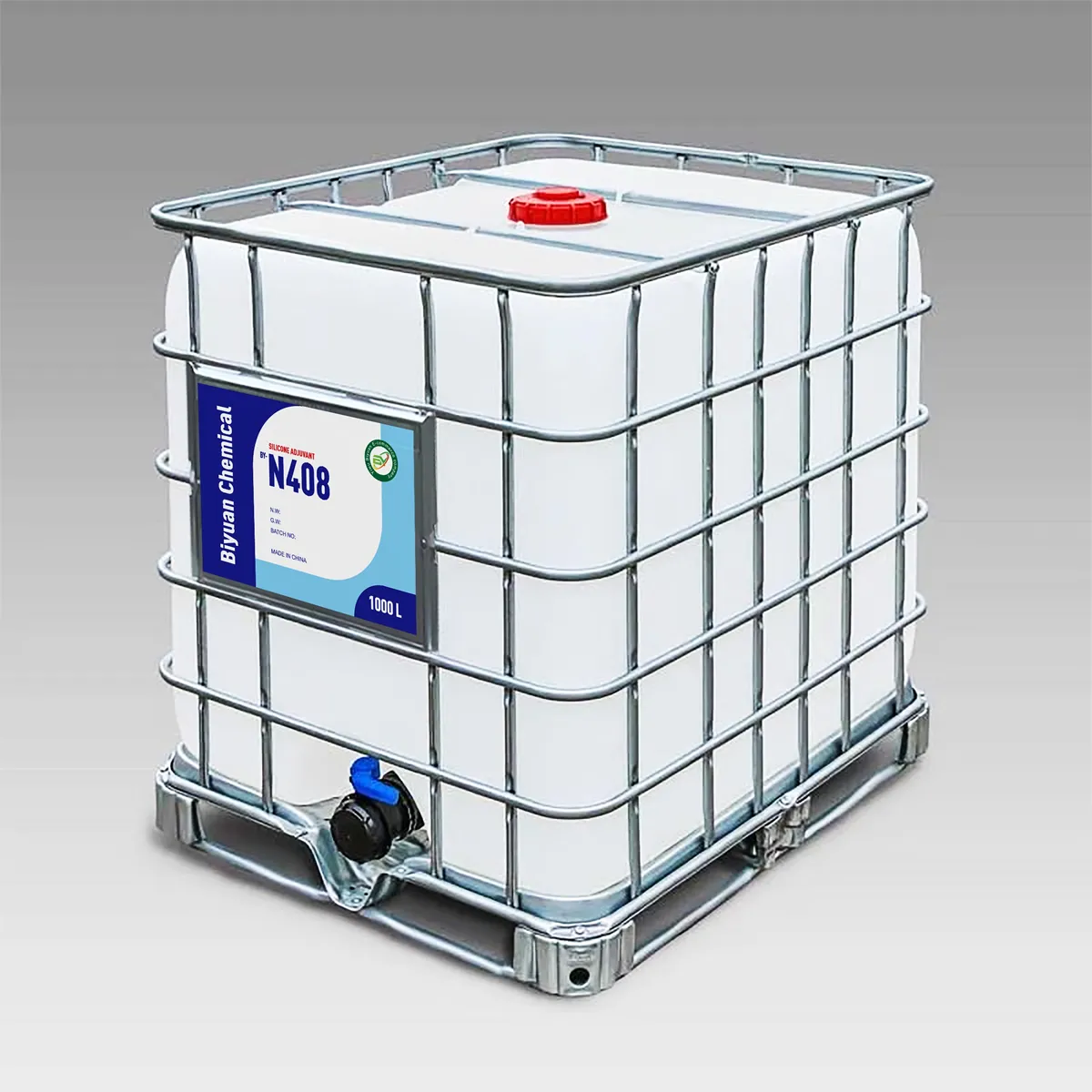
SILICONE ADJUVANT FOR AGRICULTURE
In the era of precision agriculture, SILICONE ADJUVANT has redefined crop protection standards through its advanced surfactant technology. By leveraging organosilicon compounds, this innovative solution tackles fundamental challenges in pesticide application with unparalleled efficacy. The agent’s core strength lies in its ability to transform liq.
SILICONE ADJUVANT FOR DEFOAMER
SILICONE DEFOAMER: REDEFINING INDUSTRIAL FOAM CONTROL In the demanding environments of chemical processing, food production, and bio-fermentation, foam presents a persistent challenge to operational efficiency and product quality. SILICONE DEFOAMER emerges as a critical solution, engineered with advanced organosilicone technology to deliver unparalleled.
SILICONE ADJUVANT FOR COATINGS AND INKS
Within the coatings and inks industry, achieving flawless surface aesthetics and superior functionality presents persistent challenges in formulation design and application. Silicone additives address these challenges through advanced molecular technology designed to precisely modulate surface tension and interfacial properties. Their core functionality st.
SILICONE ADJUVANT FOR PLASTIC AND RUBBER PROCESSING
Silicone adjuvants are transforming plastic and rubber manufacturing through their exceptional interface modification capabilities. These specialized additives enable significant processing improvements, including up to 40% reduction in melt viscosity, enhanced filler dispersion, and elimination of surface defects—all while increasing extrusion efficiency .