
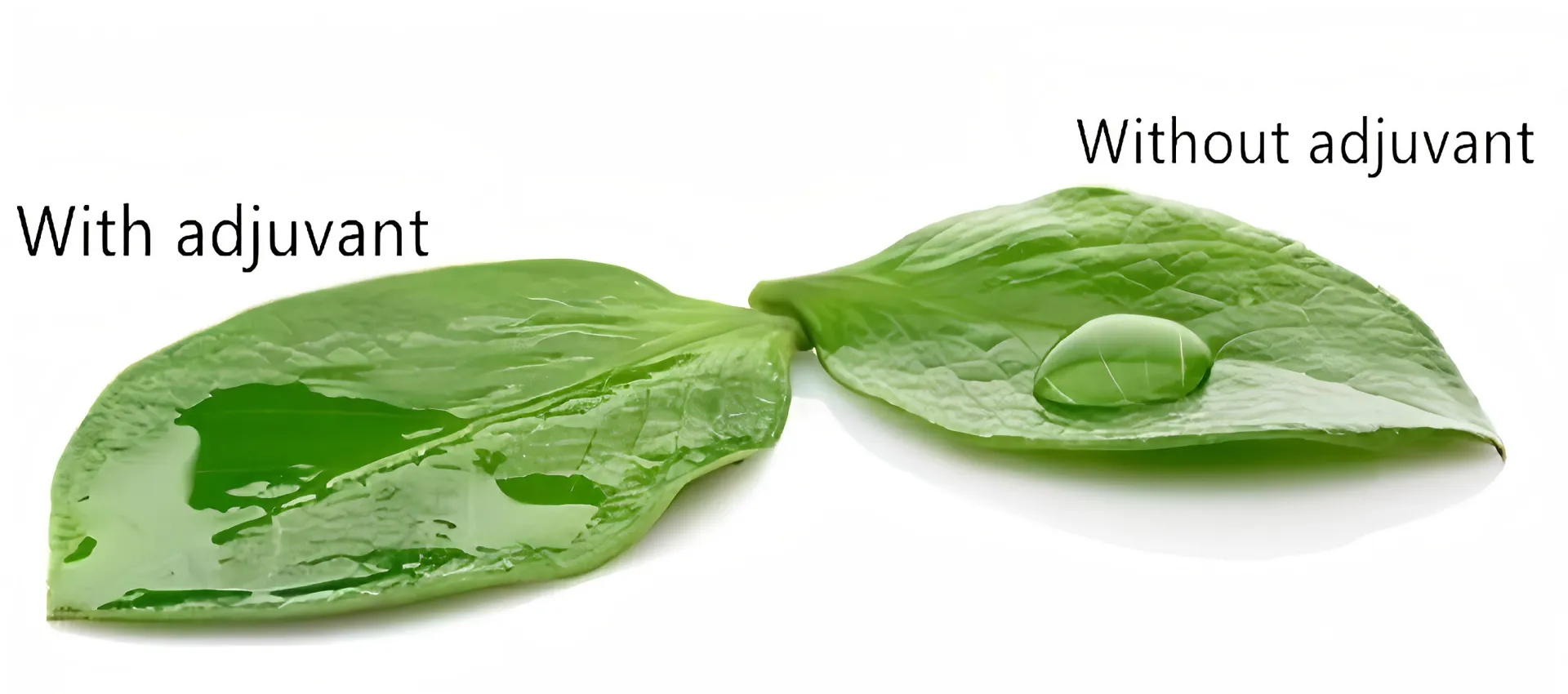
silicone adjuvant
How to Handle an Allergic Reaction to Silicone Adjuvant? - silicone adjuvant factory and suppliers
silicone adjuvant factory and suppliers
silicone adjuvant
Information Center
Everything you need to know about our products and company
How to Handle an Allergic Reaction to Silicone Adjuvant?
Understanding Silicone Adjuvant Allergic Reactions
Silicone adjuvant is a high-performance agricultural surfactant engineered to enhance the effectiveness of pesticides, herbicides, fungicides, and foliar fertilizers. While silicone adjuvants are generally safe when used properly, some individuals may develop allergic reactions upon exposure.
Common Symptoms of Silicone Adjuvant Allergy
The most common signs of an allergic reaction to silicone adjuvant include:
Skin Reactions:
- Red, raised rash at the contact site
- Intense itching and swelling
- Bumpy or hive-like eruptions
- Peau d’orange skin changes (orange peel texture)
Systemic Symptoms:
- Watery eyes and blurred vision
- Airway constriction and difficulty breathing
- Dizziness and nausea
- Anaphylactic shock in severe cases (rare)
Immediate First Aid Measures
For Skin Contact:
- Remove contaminated clothing immediately
- Wash affected area thoroughly with soap and water for at least 15 minutes
- Apply cool compresses to reduce itching and swelling
- Use over-the-counter hydrocortisone cream for mild reactions
For Eye Contact:
- Flush eyes with clean water for at least 15 minutes, holding eyelids open
- Seek medical attention if irritation persists
For Inhalation:
- Move to fresh air immediately
- If breathing is difficult, seek emergency medical care
- Administer oxygen if available
For Ingestion:
- Do NOT induce vomiting
- Rinse mouth with water
- Seek immediate medical attention
Medical Treatment Options
Mild to Moderate Reactions:
- Oral antihistamines (diphenhydramine, cetirizine)
- Topical corticosteroids
- Calamine lotion for itching relief
Severe Reactions:
- Epinephrine injection for anaphylaxis
- Intravenous corticosteroids
- Bronchodilators for respiratory distress
- Hospital monitoring for systemic reactions
Prevention and Safety Measures
Personal Protective Equipment (PPE)
When handling silicone adjuvants, always wear:
- Chemical-resistant gloves (nitrile or neoprene)
- Safety goggles or face shield
- Long-sleeved clothing and pants
- NIOSH-approved respirator for spray applications
- Impermeable apron if handling large quantities
Safe Handling Practices
- Work in well-ventilated areas to minimize inhalation exposure
- Avoid skin contact by using appropriate PPE
- Do not eat, drink, or smoke while handling silicone adjuvants
- Wash hands thoroughly after handling
- Store in cool, dry place away from direct sunlight and incompatible materials
Emergency Preparedness
- Keep emergency contact numbers readily available
- Have an eyewash station and safety shower accessible
- Maintain first aid supplies including epinephrine auto-injectors if known allergies exist
- Train all personnel on emergency response procedures
When to Seek Medical Attention
Seek immediate medical care if you experience:
- Difficulty breathing or wheezing
- Swelling of the face, lips, tongue, or throat
- Rapid heartbeat or dizziness
- Widespread hives or rash
- Loss of consciousness
- Symptoms that worsen despite treatment
Long-Term Management
For individuals with confirmed silicone adjuvant allergies:
- Avoid future exposure to silicone-containing products
- Carry an epinephrine auto-injector if prescribed
- Wear medical alert jewelry indicating the allergy
- Inform healthcare providers about the allergy before any medical procedures
- Consider allergy testing to confirm sensitivity and identify cross-reactive substances
Professional Medical Consultation
If you suspect a silicone adjuvant allergy, consult with:
- An allergist for comprehensive testing
- A dermatologist for skin-related symptoms
- An occupational medicine specialist for workplace exposure concerns
- An emergency physician for acute severe reactions
Note: While silicone adjuvant allergies are rare, proper handling and prompt treatment are essential for safety. Always follow manufacturer’s safety guidelines and local regulations when working with agricultural chemicals.
Factory Products
Our most popular products loved by customers worldwide
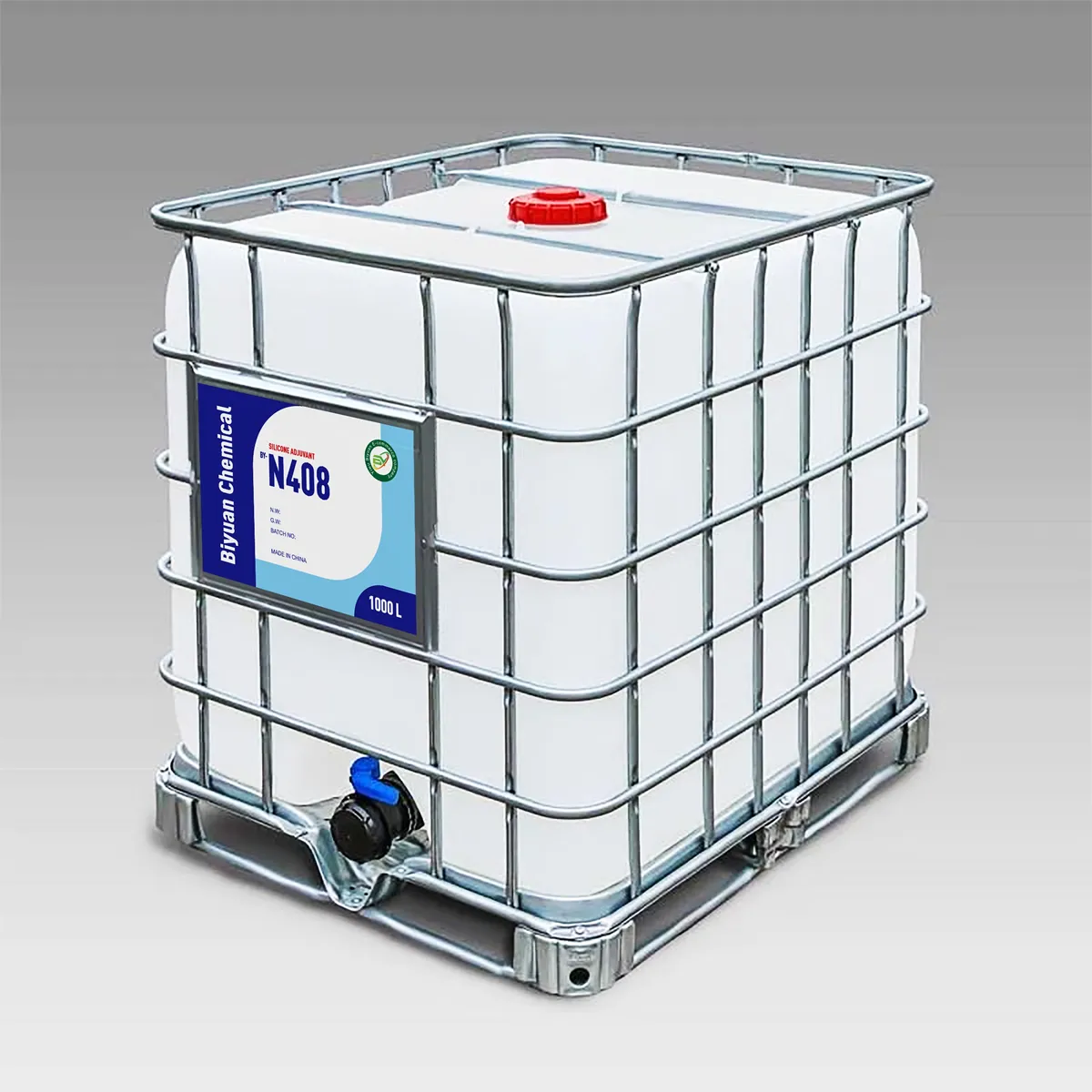
SILICONE ADJUVANT FOR AGRICULTURE
In the era of precision agriculture, SILICONE ADJUVANT has redefined crop protection standards through its advanced surfactant technology. By leveraging organosilicon compounds, this innovative solution tackles fundamental challenges in pesticide application with unparalleled efficacy. The agent’s core strength lies in its ability to transform liq.
SILICONE ADJUVANT FOR DEFOAMER
SILICONE DEFOAMER: REDEFINING INDUSTRIAL FOAM CONTROL In the demanding environments of chemical processing, food production, and bio-fermentation, foam presents a persistent challenge to operational efficiency and product quality. SILICONE DEFOAMER emerges as a critical solution, engineered with advanced organosilicone technology to deliver unparalleled.
SILICONE ADJUVANT FOR COATINGS AND INKS
Within the coatings and inks industry, achieving flawless surface aesthetics and superior functionality presents persistent challenges in formulation design and application. Silicone additives address these challenges through advanced molecular technology designed to precisely modulate surface tension and interfacial properties. Their core functionality st.
SILICONE ADJUVANT FOR PLASTIC AND RUBBER PROCESSING
Silicone adjuvants are transforming plastic and rubber manufacturing through their exceptional interface modification capabilities. These specialized additives enable significant processing improvements, including up to 40% reduction in melt viscosity, enhanced filler dispersion, and elimination of surface defects—all while increasing extrusion efficiency .