
silicone adjuvant
Does a silicone adjuvant require any special training to use? - silicone adjuvant factory and suppliers
silicone adjuvant factory and suppliers
silicone adjuvant
Information Center
Everything you need to know about our products and company
Does a silicone adjuvant require any special training to use?
Essential Training for Effective Silicone Adjuvant Use
Introduction
Silicone adjuvants have revolutionized modern agriculture by enhancing the efficiency of pesticides, herbicides, and fungicides. These specialized additives significantly improve spray coverage, penetration, and overall efficacy of crop protection products. As agricultural professionals seek to maximize yields while minimizing environmental impact, understanding the proper handling and application of silicone adjuvants becomes crucial. This article explores the training requirements, technical knowledge, and safety protocols necessary for effective silicone adjuvant implementation.
Understanding Silicone Adjuvants
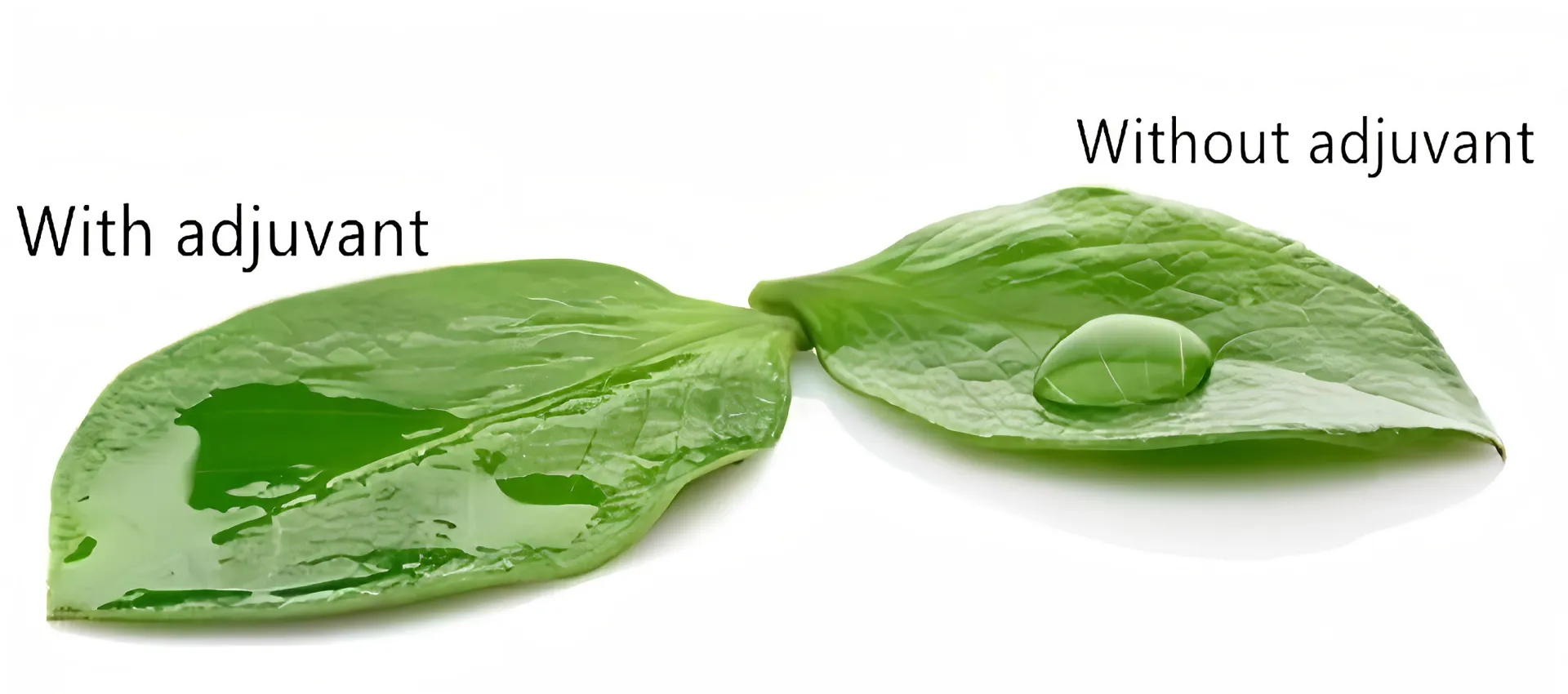
Silicone adjuvants are sophisticated surfactants that dramatically lower the surface tension of spray solutions. These advanced agricultural additives enable pesticides to spread more evenly across plant surfaces, even on waxy or hairy foliage where traditional formulations often struggle. The science behind these products involves polyether-modified trisiloxane chemistry that creates super-spreading capabilities, allowing spray droplets to form ultra-thin films that coat leaves comprehensively .
The fundamental mechanism involves reducing surface tension to approximately 19.5-22 mN/m, significantly below what conventional adjuvants can achieve. This property enables better stomatal and cellular membrane penetration, ensuring active ingredients reach their intended targets more efficiently. Agricultural professionals who understand these mechanisms can optimize their application strategies for maximum effectiveness .
Necessary Training and Expertise
Technical Knowledge Requirements
Effective use of silicone adjuvants requires specific technical knowledge that goes beyond standard agricultural training. Operators must understand:
Chemical Compatibility: Different formulations work optimally with specific pH levels. While standard silicone adjuvants perform best in pH-neutral environments (pH 6-8), specialized acid-resistant variants are available for formulations with pH as low as 4. This knowledge prevents decomposition and maintains efficacy .
Application Timing and Conditions: Research indicates that temperature significantly influences adjuvant performance. Professionals need training on how seasonal variations and daily temperature fluctuations affect product performance to time applications optimally .
Dosage Precision: Studies reveal that precise dosing is critical for achieving the desired effects without wasting product. Over-application can lead to runoff issues, while under-application reduces effectiveness. Proper training ensures operators can calculate accurate dilution ratios for different crop types and growth stages .
Safety Certification and Protocols
While silicone adjuvants are generally safe when handled correctly, appropriate safety training is essential. This includes:
Personal Protective Equipment (PPE): Standard laboratory hygiene practices, including safety goggles and protective gloves, should be maintained when handling concentrated formulations .
Spill Management: Comprehensive training should cover proper procedures for handling accidental spills, including containment methods and appropriate cleaning protocols to prevent environmental contamination .
Storage Protocols: Operators must understand that silicone adjuvants require specific storage conditions and cannot be stored outdoors where temperature fluctuations and UV exposure may degrade product quality .
Agricultural operations using silicone adjuvants should ensure their personnel have received training aligned with international agricultural standards and possess knowledge of local environmental regulations governing adjuvant use .
Industry Standards and Certifications
Quality Assurance for Silicone Adjuvants
Reputable silicone adjuvant manufacturers adhere to strict quality standards and hold relevant certifications that validate product safety and efficacy. When selecting a silicone adjuvant supplier, agricultural professionals should look for:
ISO 9001 Certification: This international quality management standard ensures consistent product quality and reliability. Manufacturers with this certification, like Biyuan, demonstrate commitment to standardized production processes and continuous improvement .
Environmental Compliance: Leading manufacturers maintain proper environmental certifications and adhere to regulations governing wastewater and emissions, reflecting responsible manufacturing practices .
Product-Specific Certifications: High-quality silicone adjuvants may carry certifications for biodegradability and non-toxicity, important considerations for sustainable farming operations. Biyuan’s products, for instance, meet global standards for environmental safety .
Manufacturing Qualifications
A certified silicone adjuvant factory must possess specific qualifications and technical capabilities:
Advanced Production Equipment: Factories should be equipped with specialized machinery including reactors, mixing systems, and quality control laboratories to ensure product consistency .
Technical Expertise: Qualified manufacturers employ personnel with expertise in silicone chemistry and application knowledge to provide customer support and product development .
Research and Development Capability: Leading manufacturers like Biyuan invest significantly in R&D to create innovative formulations that address evolving agricultural challenges .
Market Analysis and Application Scenarios
Growing Market Demand
The global silicone additives market is experiencing significant growth, driven by increasing demand from agricultural and other industries. This expansion reflects growing recognition of silicone adjuvants’ value in enhancing agricultural productivity while promoting sustainable practices .
Market analysis indicates particularly strong growth in the Asia-Pacific region, where agricultural innovation is advancing rapidly. This trend underscores the importance of proper training and education initiatives to ensure correct implementation across diverse farming operations .
Application Scenarios and Case Studies
Silicone adjuvants deliver measurable benefits across various agricultural scenarios:
Large-Scale Field Crops: In rice cultivation, field trials demonstrated that silicone adjuvants reduced insecticide use by 40% while maintaining pest control efficacy, resulting in yield increases of approximately 15% due to reduced leaf damage .
Orchard Management: Citrus groves utilizing silicone-based miticides achieved 90% pest suppression with 25% less active ingredient, helping preserve beneficial insect populations crucial for ecosystem balance .
High-Value Specialty Crops: For ornamental plants and specialty produce, silicone adjuvants enhance the performance of protective treatments while minimizing chemical residues, important for market acceptance .
Practical Implementation and Best Practices
Integration into Agricultural Operations
Effectively incorporating silicone adjuvants into existing agricultural practices requires systematic approaches:
Application Timing: Research indicates that silicone adjuvants can reduce pesticide usage by 20-30% while maintaining efficacy when applied at appropriate crop growth stages .
Tank Mixing Procedures: Proper training ensures operators understand correct mixing sequences and compatibility considerations when combining adjuvants with various pesticide formulations .
Equipment Calibration: Application equipment must be properly calibrated to deliver optimal droplet sizes and coverage patterns that maximize adjuvant performance .
Biyuan’s Innovative Solutions
Biyuan has positioned itself as a leader in silicone adjuvant technology through continuous innovation and customer support. Their flagship product, Biyuan Silvex 3240, exemplifies advancements in this sector with its ultra-low surface tension and exceptional stability characteristics .
The company provides comprehensive technical support and training resources to help agricultural professionals optimize product use. This educational approach ensures customers achieve maximum return on investment while implementing sustainable farming practices .
Environmental and Economic Benefits
Properly implemented silicone adjuvant programs deliver significant environmental and economic advantages:
Reduced Chemical Load: By enhancing pesticide efficiency, silicone adjuvants enable reduction of chemical applications by 30-50%, lowering operational costs and environmental impact .
Water Conservation: Advanced silicone adjuvant technologies contribute to water efficiency in agricultural spraying, an increasingly important consideration in water-scarce regions .
Improved Crop Health: Enhanced coverage and absorption lead to healthier plants with stronger resistance to environmental stressors like drought and disease .
Conclusion
Silicone adjuvants represent a sophisticated agricultural technology that requires specific knowledge for optimal implementation. While not excessively complex, proper training in handling, application techniques, and safety protocols is essential for maximizing their benefits. As the agricultural sector continues evolving toward more precise and sustainable practices, well-trained professionals using advanced products like Biyuan’s silicone adjuvants will be at the forefront of this transformation. By investing in appropriate training and partnering with qualified manufacturers, agricultural operations can significantly enhance their productivity while advancing environmental stewardship goals.
Factory Products
Our most popular products loved by customers worldwide
SILICONE ADJUVANT FOR AGRICULTURE
In the era of precision agriculture, SILICONE ADJUVANT has redefined crop protection standards through its advanced surfactant technology. By leveraging organosilicon compounds, this innovative solution tackles fundamental challenges in pesticide application with unparalleled efficacy. The agent’s core strength lies in its ability to transform liq.
SILICONE ADJUVANT FOR DEFOAMER
SILICONE DEFOAMER: REDEFINING INDUSTRIAL FOAM CONTROL In the demanding environments of chemical processing, food production, and bio-fermentation, foam presents a persistent challenge to operational efficiency and product quality. SILICONE DEFOAMER emerges as a critical solution, engineered with advanced organosilicone technology to deliver unparalleled.
SILICONE ADJUVANT FOR COATINGS AND INKS
Within the coatings and inks industry, achieving flawless surface aesthetics and superior functionality presents persistent challenges in formulation design and application. Silicone additives address these challenges through advanced molecular technology designed to precisely modulate surface tension and interfacial properties. Their core functionality st.
SILICONE ADJUVANT FOR PLASTIC AND RUBBER PROCESSING
Silicone adjuvants are transforming plastic and rubber manufacturing through their exceptional interface modification capabilities. These specialized additives enable significant processing improvements, including up to 40% reduction in melt viscosity, enhanced filler dispersion, and elimination of surface defects—all while increasing extrusion efficiency .