
silicone adjuvant
Can a silicone adjuvant be used in pest control for forests? - silicone adjuvant factory and suppliers
silicone adjuvant factory and suppliers
silicone adjuvant
Information Center
Everything you need to know about our products and company
Can a silicone adjuvant be used in pest control for forests?
Silicone Adjuvant: Revolutionizing Forest Pest Control Strategies
The Critical Challenge of Forest Pest Management
Forest ecosystems face unprecedented threats from invasive and native pests that can devastate vast woodland areas. Traditional pesticide applications in forestry often yield unsatisfactory results due to the complex canopy structures, waxy leaf surfaces, and hard-to-reach pest habitats. Fortunately, silicone adjuvant technology offers a transformative solution to these challenges, providing unprecedented efficacy in forest protection programs.
Silicone adjuvants represent a breakthrough in agricultural chemistry that has direct applications in forestry. These specialized surfactants dramatically enhance the performance of pesticides, herbicides, and fungicides through their unique molecular properties. As forest managers seek more effective resistance control strategies, partnering with a reputable silicone adjuvant factory like Biyuan becomes essential for sustainable forest management.
Understanding Silicone Adjuvant Technology
The Science Behind the Solution
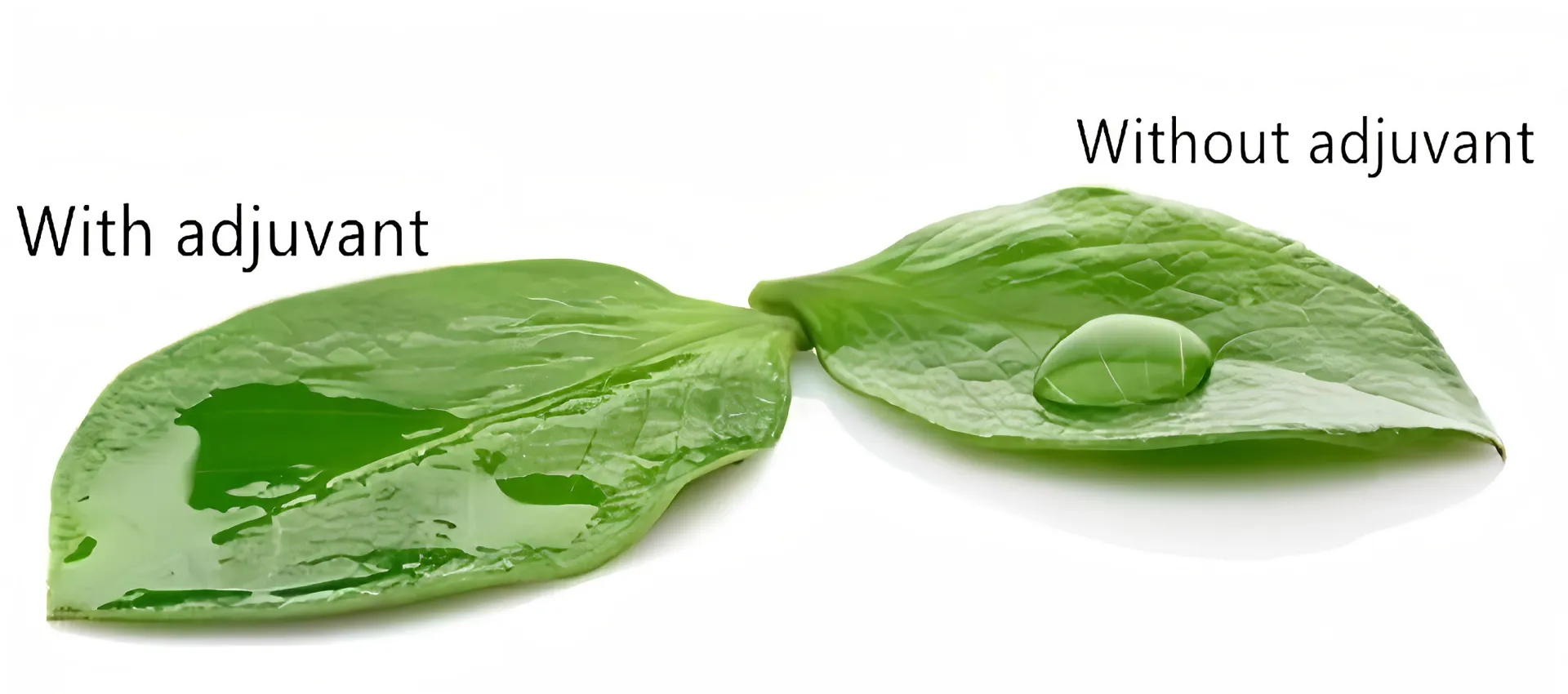
Silicone adjuvants are organosilicone-based compounds engineered to modify the physical properties of spray solutions. Their unique molecular structure enables unprecedented surface tension reduction, allowing droplets to spread evenly across even the most challenging surfaces encountered in forestry applications .
The key mechanism lies in their ability to reduce surface tension to as low as 19.5-22 mN/m, compared to water’s 72 mN/m . This super-spreading action enables pesticides to achieve maximum coverage on waxy or hydrophobic plant surfaces, penetrating the microscopic crevices where pests typically hide .
Regulatory Landscape and Certifications
When selecting a silicone adjuvant for forestry applications, verification of proper certifications is essential. Reputable manufacturers like Biyuan adhere to international quality and safety standards, ensuring their products meet rigorous environmental and efficacy benchmarks . These certifications validate that the adjuvant will perform as specified while minimizing ecological impact—a critical consideration in sensitive forest ecosystems.
Silicone Adjuvants in Forest Pest Control: Applications and Benefits
Enhanced Coverage and Canopy Penetration
Forest canopies present unique challenges for pesticide application, with dense foliage creating protected zones where pests evade treatment. Silicone adjuvants address this through their exceptional spreading capabilities, enabling pesticides to reach previously inaccessible areas .
Field studies demonstrate that silicone adjuvants can improve pesticide coverage by up to 60% compared to conventional surfactants . This translates to more effective pest management with reduced chemical input, aligning with sustainable forestry initiatives.
Rainfastness and Extended Protection Window
In outdoor environments where weather conditions are unpredictable, rainfastness becomes a critical factor. Silicone adjuvants create a protective barrier that prevents pesticides from washing away during rainfall, maintaining efficacy for up to 24 hours post-application even under moderate precipitation .
This durability is particularly valuable in forestry applications where respraying is logistically challenging and cost-prohibitive. The extended protection window ensures that pest control efforts remain effective despite changing weather conditions.
Resistance Management and Efficacy Enhancement
With pest resistance becoming increasingly problematic in forestry, silicone adjuvants offer a resistance management tool by enhancing the performance of existing pesticides. Research indicates that adjuvants can reduce LC50 values (lethal concentrations) by up to 64% for certain insecticides, significantly boosting pest control effectiveness .
This enhanced efficacy allows forest managers to achieve desired control levels with reduced pesticide volumes—studies document reductions of 30-50% while maintaining effectiveness . This not only lowers operational costs but also minimizes environmental impact, a crucial consideration in forest ecosystems.
Economic and Operational Advantages for Forestry Operations
Cost Efficiency and Resource Optimization
The economic argument for silicone adjuvants in forestry is compelling. By enhancing pesticide performance, these additives enable significant reductions in chemical usage—typically 20-30%—while maintaining or even improving efficacy . For large-scale forestry operations, this translates to substantial cost savings on pesticide purchases.
Additionally, the extended residual activity provided by silicone adjuvants can reduce application frequency. Where standard protocols might require treatment every 7-10 days, adjuvant-enhanced formulations can extend this interval to 10-15 days . This represents significant savings in labor, equipment operation, and logistical coordination for forestry operations.
Drift Reduction and Environmental Safety
Modern silicone adjuvants like those developed by Biyuan incorporate advanced drift control technology, minimizing off-target movement of pesticides into sensitive areas adjacent to treatment zones . This precision application is particularly valuable in forest settings where protected waterways or recreational areas may be nearby.
Unlike traditional petroleum-derived surfactants, high-quality silicone adjuvants are biodegradable and demonstrate lower toxicity to non-target organisms when properly formulated and applied . This environmental profile makes them suitable for integrated pest management programs in sensitive forest ecosystems.
Practical Implementation and Case Examples
Application Protocols for Forestry Settings
Successful implementation of silicone adjuvant technology in forestry requires attention to application specifics. Typical usage rates range from 0.01% to 0.1% of the total spray volume, with precise dosage depending on the specific pesticide formulation and target pests .
Forestry applicators should note that silicone adjuvants perform best in neutral pH conditions (6-8) and may require buffer systems when mixed with inherently acidic or alkaline pesticides . Consulting with a technical expert from Biyuan can help optimize tank mix compatibility for specific forestry applications.
Phytotoxicity Considerations and Best Practices
While generally safe when used as directed, silicone adjuvants can cause phytotoxicity in some plant species at higher concentrations . Forest managers should conduct small-scale trials before large-scale implementation, particularly when treating sensitive tree species or during temperature extremes that may increase plant stress.
Research indicates that phytotoxicity risk varies by plant species and environmental conditions . Working with a knowledgeable silicone adjuvant factory like Biyuan ensures access to technical support for application planning and problem resolution.
Market Trends and Future Directions
Growing Adoption in Professional Forestry
As forest managers face increasing pressure to control pests while minimizing environmental impact, adoption of silicone adjuvant technology is accelerating. The global expansion of silicone adjuvant production facilities reflects this growing demand across agricultural and forestry sectors .
Major industry players are collaborating on next-generation silicone adjuvant development, creating formulations specifically tailored to challenging applications like forest pest management . These innovations offer increasingly specialized solutions for the unique requirements of forestry applications.
Biyuan’s Leadership in Forestry Adjuvant Solutions
As a leading silicone adjuvant factory, Biyuan has invested significantly in developing adjuvants specifically engineered for demanding applications like forest pest management. Products such as Biyuan-Silicone 2886 are formulated to deliver consistent performance under the variable conditions encountered in forestry operations .
Biyuan’s commitment to research and development ensures continuous improvement of their adjuvant formulations, with ongoing testing against emerging pest challenges in forest environments. This dedication to innovation positions Biyuan as a preferred partner for forestry organizations seeking to enhance their pest management programs through adjuvant technology.
Integrating Silicone Adjuvants into Comprehensive Forest Management
Successful forest pest management requires a multifaceted approach, and silicone adjuvants serve as a powerful tool within integrated pest management frameworks. By enhancing the effectiveness of biological and chemical control methods, these adjuvants help maintain forest health while supporting sustainability goals.
The future of forest protection increasingly relies on precision technologies that maximize efficacy while minimizing environmental impact. Silicone adjuvants represent a practical, economically viable pathway toward this objective, offering measurable improvements in pest control outcomes for forestry professionals committed to responsible stewardship of woodland resources.
As forest managers worldwide seek more effective solutions to persistent pest challenges, silicone adjuvant technology stands ready to transform protection strategies. Through partnerships with innovative manufacturers like Biyuan, forestry organizations can access cutting-edge adjuvant formulations specifically engineered to address the unique challenges of forest ecosystems, ensuring healthy, resilient woodlands for future generations.
Factory Products
Our most popular products loved by customers worldwide
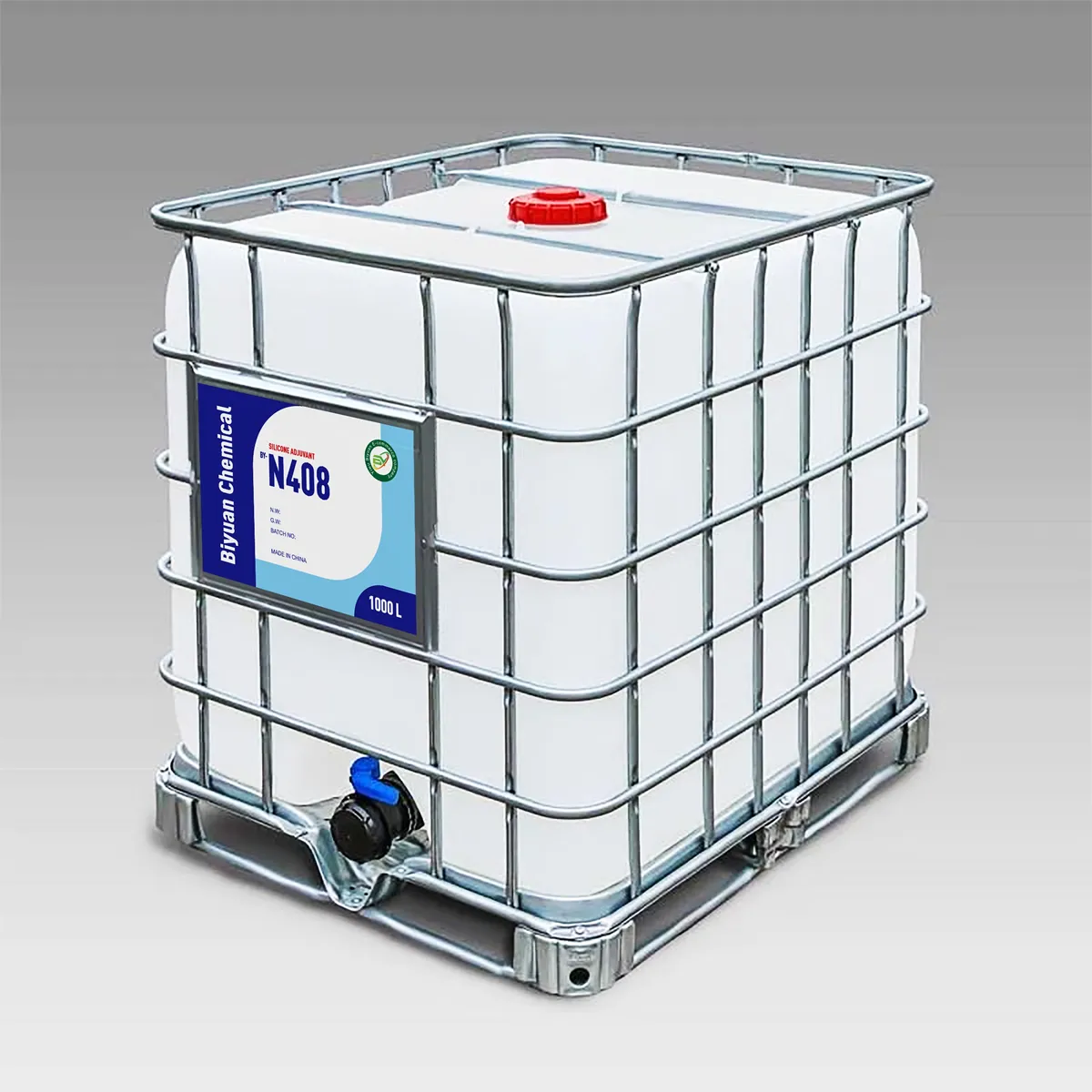
SILICONE ADJUVANT FOR AGRICULTURE
In the era of precision agriculture, SILICONE ADJUVANT has redefined crop protection standards through its advanced surfactant technology. By leveraging organosilicon compounds, this innovative solution tackles fundamental challenges in pesticide application with unparalleled efficacy. The agent’s core strength lies in its ability to transform liq.
SILICONE ADJUVANT FOR DEFOAMER
SILICONE DEFOAMER: REDEFINING INDUSTRIAL FOAM CONTROL In the demanding environments of chemical processing, food production, and bio-fermentation, foam presents a persistent challenge to operational efficiency and product quality. SILICONE DEFOAMER emerges as a critical solution, engineered with advanced organosilicone technology to deliver unparalleled.
SILICONE ADJUVANT FOR COATINGS AND INKS
Within the coatings and inks industry, achieving flawless surface aesthetics and superior functionality presents persistent challenges in formulation design and application. Silicone additives address these challenges through advanced molecular technology designed to precisely modulate surface tension and interfacial properties. Their core functionality st.
SILICONE ADJUVANT FOR PLASTIC AND RUBBER PROCESSING
Silicone adjuvants are transforming plastic and rubber manufacturing through their exceptional interface modification capabilities. These specialized additives enable significant processing improvements, including up to 40% reduction in melt viscosity, enhanced filler dispersion, and elimination of surface defects—all while increasing extrusion efficiency .