
silicone adjuvant
Can a silicone adjuvant be used in organic crop production? - silicone adjuvant factory and suppliers
silicone adjuvant factory and suppliers
silicone adjuvant
Information Center
Everything you need to know about our products and company
Can a silicone adjuvant be used in organic crop production?
Silicone Adjuvants in Organic Crop Production: A Comprehensive Guide
In the evolving landscape of organic agriculture, farmers and producers constantly seek innovative solutions that balance productivity with ecological responsibility. Among these solutions, silicone-based adjuvants have emerged as a transformative tool for enhancing organic crop production. These specialized additives are redefining how organic farmers approach crop protection, nutrient management, and resource efficiency while maintaining compliance with stringent organic standards.
Understanding Silicone Adjuvants and Their Role in Organic Farming
Silicone adjuvants are surfactants derived from silicon, an abundant naturally occurring element in the Earth’s crust. Unlike synthetic additives, these compounds are characterized by their unique molecular structure featuring silicon-oxygen-silicon (Si-O-Si) bonds, which enable them to significantly modify the physical properties of spray solutions used in agriculture .
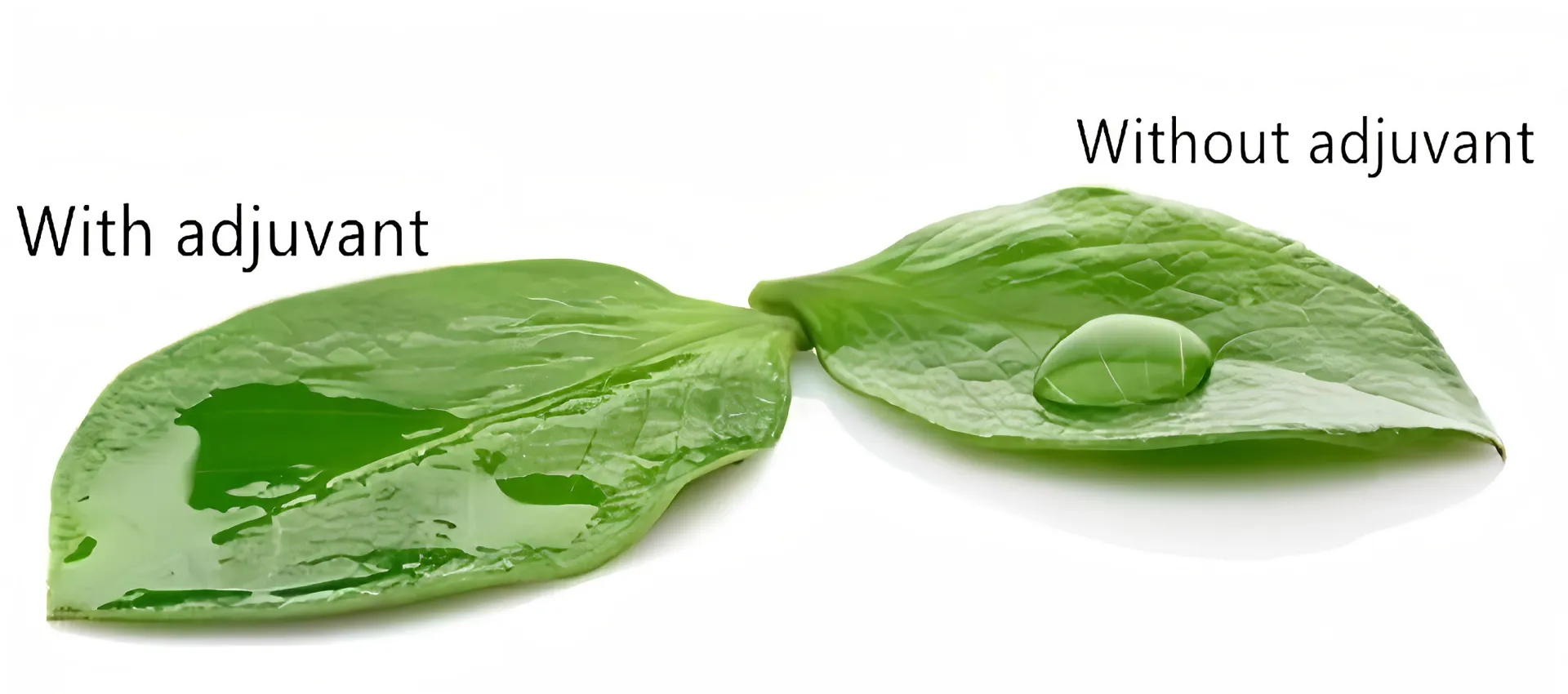
What makes silicone adjuvants particularly valuable for organic farming is their biodegradability and compatibility with organic inputs. These adjuvants work by dramatically reducing the surface tension of spray solutions, enabling better coverage, adhesion, and penetration on plant surfaces. This fundamental action amplifies the effectiveness of organic-approved pesticides, herbicides, and fertilizers, addressing a critical challenge in organic systems where synthetic performance enhancers are prohibited .
The Science Behind Silicone Adjuvants in Organic Systems
The efficacy of silicone adjuvants stems from their exceptional ability to lower surface tension to levels as low as 19-23 mN/m, far surpassing conventional surfactants. This ultra-low surface tension enables spray droplets to spread more evenly across plant surfaces, including those with waxy or hairy characteristics that typically repel aqueous solutions .
When used with organic inputs, silicone adjuvants enhance what is known as “stomatal infiltration,” facilitating the entry of beneficial compounds through the plant’s natural openings. This results in improved uptake of organic nutrients and more effective delivery of biological pest control agents. Research demonstrates that silicone adjuvants can increase nutrient absorption rates by up to 40% compared to conventional application methods, making them particularly valuable for foliar feeding in organic systems .
Regulatory Compliance and Organic Certification
A critical consideration for any input in organic agriculture is its compliance with certification standards. Silicone adjuvants have gained acceptance in organic farming systems worldwide because they meet stringent organic certification criteria, including those established by the USDA National Organic Program and EU Eco-Regulation .
Their approval stems from several key characteristics: silicone adjuvants are typically classified as non-toxic, biologically inert, and biodegradable. Unlike many synthetic surfactants, they don’t persist in the environment or accumulate in soil and water systems. Furthermore, they don’t interfere with the organic status of crops when used according to manufacturer guidelines, providing organic farmers with a compliant performance-enhancing tool .
Leading manufacturers like Biyuanhave invested significantly in developing silicone adjuvant formulations specifically designed to meet global organic standards. Their products undergo rigorous testing to ensure they align with organic principles while delivering the performance improvements organic farmers need .
Key Benefits of Silicone Adjuvants in Organic Production
Enhanced Efficacy of Organic Inputs
One of the most significant challenges in organic agriculture is achieving consistent results with naturally-derived pesticides and fungicides. Silicone adjuvants address this challenge by improving the coverage, adhesion, and penetration of these materials. Research indicates that when used with organic fungicides, silicone adjuvants can reduce disease incidence by up to 30% in crops like citrus and tomatoes. Similarly, they can decrease pesticide usage by 20-50% while maintaining or even improving pest control efficacy .
Improved Nutrient Management
Silicone adjuvants significantly enhance the performance of organic fertilizers, particularly foliar applications. By facilitating stomatal uptake, these adjuvants ensure that nutrients are more efficiently absorbed and utilized by plants. Field trials have demonstrated that foliar fertilizers combined with silicone adjuvants achieve 25-40% higher uptake rates compared to conventional application methods. This translates to healthier plants and reduced fertilizer requirements, contributing to both economic and environmental sustainability .
Water Conservation and Drought Resilience
Water management is increasingly critical in sustainable agriculture. Silicone adjuvants contribute to water conservation in multiple ways: they improve the efficiency of irrigation systems by enhancing water penetration and distribution in soil, and they create protective barriers on foliage that reduce water evaporation by up to 25% during drought conditions. This dual action makes them particularly valuable in regions facing water scarcity or unpredictable rainfall patterns .
Environmental Advantages
The environmental profile of silicone adjuvants aligns well with organic farming principles. These products are engineered to be biodegradable, minimizing residual buildup in soils and water systems. Field studies show that adjuvant-treated sprays can reduce pesticide runoff by 30-50%, helping to protect adjacent ecosystems. Additionally, their ability to enhance the efficiency of applied inputs means fewer applications are needed, reducing fuel consumption and associated emissions .
Practical Applications Across Organic Cropping Systems
Fruit and Vegetable Production
In organic fruit and vegetable operations, silicone adjuvants deliver measurable improvements in both quality and yield. For instance, in tomato production, the combination of organic fungicides with silicone adjuvants has been shown to reduce powdery mildew by 30%. Similarly, in apple orchards, adjuvant-enhanced spray programs have resulted in significant pest reduction while improving fruit quality parameters .
Field Crops and Grains
Organic field crop producers benefit from silicone adjuvants through improved weed control and nutrient management. In oilseed rape production, research demonstrated that adding organic silicone adjuvant to the fungicide prochloraz enhanced water tolerance and extended the period of validity against Sclerotinia sclerotiorum from 12 to 14 days, providing crucial protection during rainy periods .
Specialty and High-Value Crops
For organic producers of high-value crops such as grapes, nuts, and specialty vegetables, silicone adjuvants offer targeted solutions for specific challenges. Vineyards in frost-prone regions, for example, use silicone adjuvant formulations to create protective barriers that mitigate frost damage. Similarly, nut growers benefit from the improved coverage and rainfastness that adjuvants provide, ensuring effective protection during critical growth stages .
Biyuan: Leading the Way in Organic-Compatible Silicone Solutions
As a pioneer in sustainable agricultural solutions, Biyuanhas established itself as a trusted partner for organic producers seeking to optimize their operations. The company’s commitment to research and development has yielded silicone adjuvant formulations specifically engineered for the unique requirements of organic agriculture .
Biyuan‘s products stand out for their ultra-low surface tension (achieving levels as low as 19 mN/m), ensuring superior spreading even on challenging crop surfaces. Their formulations are designed to be compatible with a wide range of organic inputs, from neem-based insecticides to Bacillus thuringiensis (Bt) products. This compatibility ensures that organic producers can integrate these adjuvants seamlessly into their existing management programs without compromising their certification status .
The company’s quality assurance processes include rigorous testing to meet international standards, including ISO certifications and compliance with global organic regulations. This dedication to quality and performance has made Biyuana preferred supplier for organic producers worldwide who refuse to compromise on either efficacy or their environmental principles .
Economic Considerations for Organic Producers
While the initial investment in quality silicone adjuvants represents an additional cost, the economic benefits quickly materialize through reduced input requirements and improved outcomes. Organic farmers typically report savings of 30-50% on pesticide costs and 20-30% reductions in labor expenses due to decreased application frequency. Additionally, the yield improvements and quality enhancements associated with adjuvant use contribute significantly to farm profitability .
The efficiency gains are particularly notable for organic operations managing large acreages. The ability to achieve comprehensive coverage with lower volumes translates to time savings, reduced equipment wear, and lower fuel consumption. These operational efficiencies complement the agronomic benefits, creating a compelling economic case for integrating silicone adjuvants into organic production systems .
Future Outlook and Innovations
The future of silicone adjuvants in organic agriculture looks promising, with ongoing research focused on enhancing their performance and environmental profile. Innovations such as nano-emulsion technologies and bio-based silicone formulations are expanding the possibilities for these versatile tools. Additionally, advances in application technologies, including drone-based spraying systems, are creating new opportunities for precision delivery of adjuvant-enhanced organic inputs .
As climate change introduces new challenges for organic producers, the role of silicone adjuvants in building crop resilience is gaining increased attention. Their ability to enhance drought tolerance, improve water use efficiency, and protect against environmental stresses positions them as valuable components of climate-smart organic farming systems .
Conclusion
Silicone adjuvants have firmly established their place in modern organic agriculture, offering a scientifically-grounded solution to the persistent challenge of optimizing efficiency while maintaining ecological integrity. Their compatibility with organic principles, demonstrated performance benefits, and positive economic impact make them an indispensable tool for organic producers seeking to balance productivity with sustainability.
As the organic sector continues to evolve, innovative solutions from forward-thinking companies like Biyuanwill play an increasingly important role in shaping its future. By combining cutting-edge science with a deep commitment to sustainability, these companies are providing organic producers with the tools they need to thrive in an increasingly complex agricultural landscape.
Factory Products
Our most popular products loved by customers worldwide
SILICONE ADJUVANT FOR AGRICULTURE
In the era of precision agriculture, SILICONE ADJUVANT has redefined crop protection standards through its advanced surfactant technology. By leveraging organosilicon compounds, this innovative solution tackles fundamental challenges in pesticide application with unparalleled efficacy. The agent’s core strength lies in its ability to transform liq.
SILICONE ADJUVANT FOR DEFOAMER
SILICONE DEFOAMER: REDEFINING INDUSTRIAL FOAM CONTROL In the demanding environments of chemical processing, food production, and bio-fermentation, foam presents a persistent challenge to operational efficiency and product quality. SILICONE DEFOAMER emerges as a critical solution, engineered with advanced organosilicone technology to deliver unparalleled.
SILICONE ADJUVANT FOR COATINGS AND INKS
Within the coatings and inks industry, achieving flawless surface aesthetics and superior functionality presents persistent challenges in formulation design and application. Silicone additives address these challenges through advanced molecular technology designed to precisely modulate surface tension and interfacial properties. Their core functionality st.
SILICONE ADJUVANT FOR PLASTIC AND RUBBER PROCESSING
Silicone adjuvants are transforming plastic and rubber manufacturing through their exceptional interface modification capabilities. These specialized additives enable significant processing improvements, including up to 40% reduction in melt viscosity, enhanced filler dispersion, and elimination of surface defects—all while increasing extrusion efficiency .