
silicone adjuvant
Can a Silicone Adjuvant Be Used in Aquatic Environments? - silicone adjuvant factory and suppliers
silicone adjuvant factory and suppliers
silicone adjuvant
Information Center
Everything you need to know about our products and company
Can a Silicone Adjuvant Be Used in Aquatic Environments?
Silicone adjuvants are revolutionizing modern agriculture with their exceptional performance-enhancing properties, but their application extends far beyond traditional crop protection. These advanced surfactants, particularly those from leading manufacturers like Biyuan, offer versatile solutions across multiple industries.
Understanding Silicone Adjuvants
Silicone adjuvants are non-ionic modified polyether trisiloxane surfactants designed to dramatically reduce surface tension in spray solutions. With CAS No. 67674-67-3, these compounds lower surface tension to 20-21 mN/m, enabling superior wetting, spreading, and penetration capabilities that outperform conventional surfactants.
Market Analysis and Industry Standards
The global silicone additives market is experiencing robust growth, with a projected CAGR of 7% from 2025 to 2031. Activator adjuvants, including silicone-based formulations, dominated the agricultural adjuvants market with over $1,850 million in revenue in 2017. This growth is driven by increasing demand across agriculture, construction, automotive, and personal care sectors.
Leading manufacturers like Biyuan adhere to stringent industry standards including ISO 9001, ISO 14001, and REACH compliance. These certifications ensure product quality, environmental responsibility, and safety across all applications.
Key Applications and Performance Benefits
Agricultural Excellence
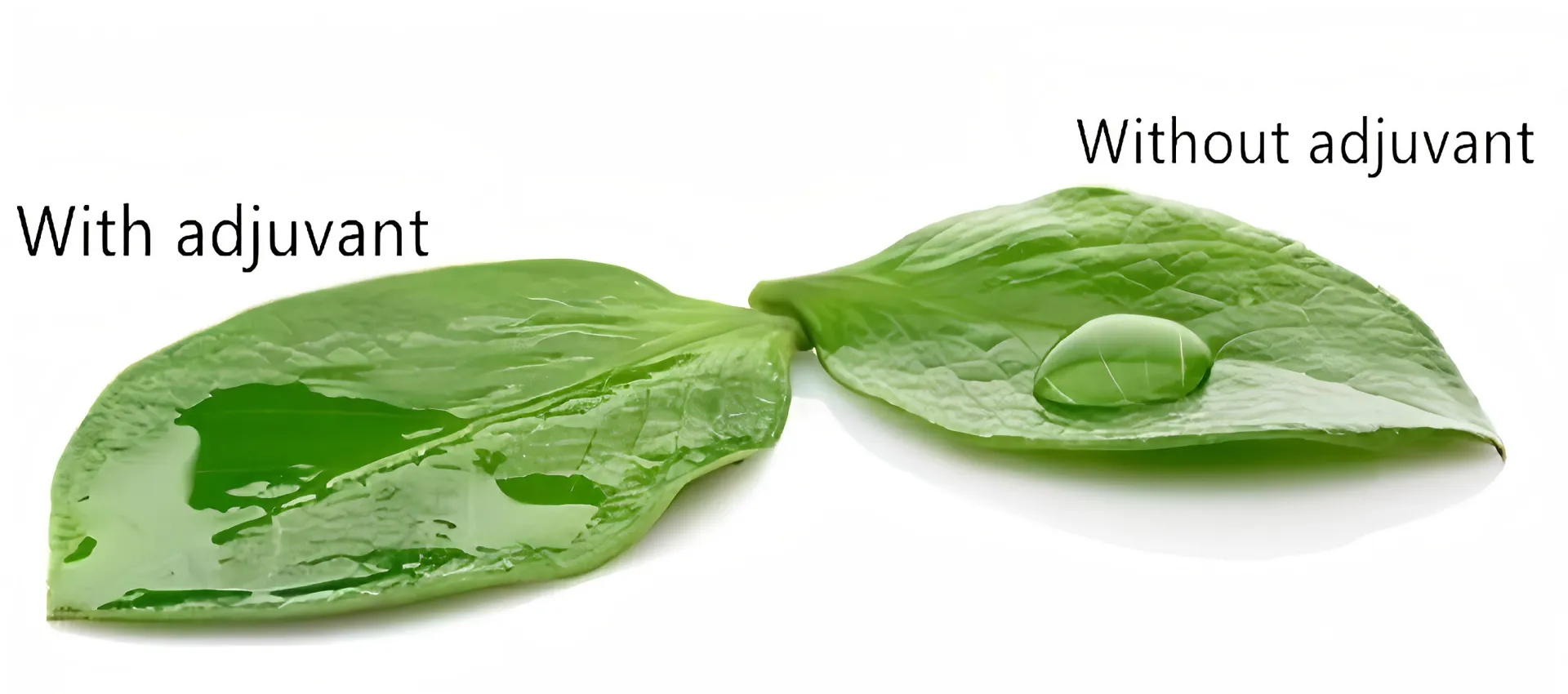
Silicone adjuvants from Biyuan are engineered to enhance the performance of pesticides, herbicides, fungicides, and foliar fertilizers. Their ultra-low surface tension properties enable spray droplets to spread up to 10 times more than conventional surfactants, resulting in:
- Improved Coverage: Maximum leaf coverage even on waxy or hard-to-wet surfaces
- Enhanced Penetration: Rapid uptake of active ingredients through plant stomata
- Rainfastness: Superior adhesion that resists rainwater erosion
- Cost Savings: Reduced chemical usage and application costs by up to 50%
Aquatic Environment Applications
While traditional silicone adjuvants are primarily designed for agricultural use, specialized formulations are being developed for aquatic applications. These include:
- Water Treatment: Silicone-based surfactants for industrial water treatment systems
- Aquatic Coatings: Waterproofing and protective coatings for marine equipment
- Environmental Remediation: Controlled-release formulations for targeted aquatic applications
Biyuan’s R&D team is at the forefront of developing eco-friendly silicone solutions that meet the unique challenges of aquatic environments while maintaining performance standards.
Product Features and Technical Specifications
Biyuan’s silicone adjuvant portfolio includes multiple formulations tailored to specific needs:
Silicone Super Spreader: Delivers ultra-low surface tension (20-21 mN/m) for maximum coverage
Silicone Wetting Agent: Ensures even distribution on challenging surfaces
Silicone Penetrating Agent: Enhances absorption into plant tissues
Silicone Emulsion Concentrate: Highly stable and compatible with various formulations
Technical specifications include:
- Viscosity: 30-50 mm²/s at 25°C
- Active Content: 100%
- Solubility: Dispersible in water
- pH Range: 6-8 (optimal performance)
- Dilution Ratio: 1500-6000 times
Customer Pain Points and Solutions
Common Challenges
- Poor Coverage: Traditional surfactants fail to cover waxy leaf surfaces effectively
- Chemical Waste: Up to 40% of applied chemicals are lost due to runoff and drift
- Rainfastness Issues: Rainfall shortly after application reduces efficacy
- High Water Consumption: Conventional spraying requires excessive water volumes
- Compatibility Problems: Adjuvants that don’t mix well with pesticide formulations
Biyuan’s Solutions
- Superior Spreading: Reduces surface tension to ensure complete coverage
- Enhanced Adhesion: Rainfast properties protect against wash-off
- Water Conservation: Allows reduction of water usage by 50-67%
- Broad Compatibility: Works with vegetable oils, mineral oils, and various formulations
- Cost Efficiency: Lower application rates deliver better results at reduced cost
Case Studies and Success Stories
Agricultural Case Study
A major agricultural cooperative implemented Biyuan’s silicone adjuvant in their herbicide program across 10,000 acres of corn. Results showed:
- 25% Reduction in herbicide usage while maintaining weed control efficacy
- 15% Increase in crop yield due to improved nutrient uptake
- 40% Reduction in water consumption during application
- Zero Compatibility Issues with their existing pesticide formulations
Industrial Application
A water treatment facility integrated Biyuan’s specialized silicone formulation into their processing system, achieving:
- 30% Improvement in foam control efficiency
- Extended Equipment Life due to reduced chemical corrosion
- Compliance with environmental discharge standards
Why Choose Biyuan Silicone Adjuvants?
Biyuan stands out in the silicone adjuvant market through:
Technical Expertise: Over 20 years of R&D experience in silicone chemistry
Custom Formulations: Tailored solutions for specific application needs
Quality Assurance: ISO-certified manufacturing processes with batch-specific testing
Global Reach: Distribution network spanning North America, Europe, Asia-Pacific, and South America
Sustainability Focus: Eco-friendly formulations with biodegradable options
Technical Support: Dedicated team providing application guidance and troubleshooting
Future Outlook and Innovation
The silicone adjuvant industry continues to evolve, with Biyuan investing in:
- Advanced Formulations: Next-generation products with enhanced environmental profiles
- Smart Delivery Systems: Controlled-release technologies for targeted applications
- Digital Integration: IoT-enabled monitoring for precision agriculture
- Sustainable Solutions: Bio-based silicone alternatives with reduced environmental impact
Whether you’re seeking to optimize agricultural operations, enhance industrial processes, or explore new applications in aquatic environments, Biyuan’s silicone adjuvant solutions offer the performance, reliability, and technical support needed to achieve your goals. Contact our technical team to discuss how our products can address your specific challenges and deliver measurable results.
Factory Products
Our most popular products loved by customers worldwide
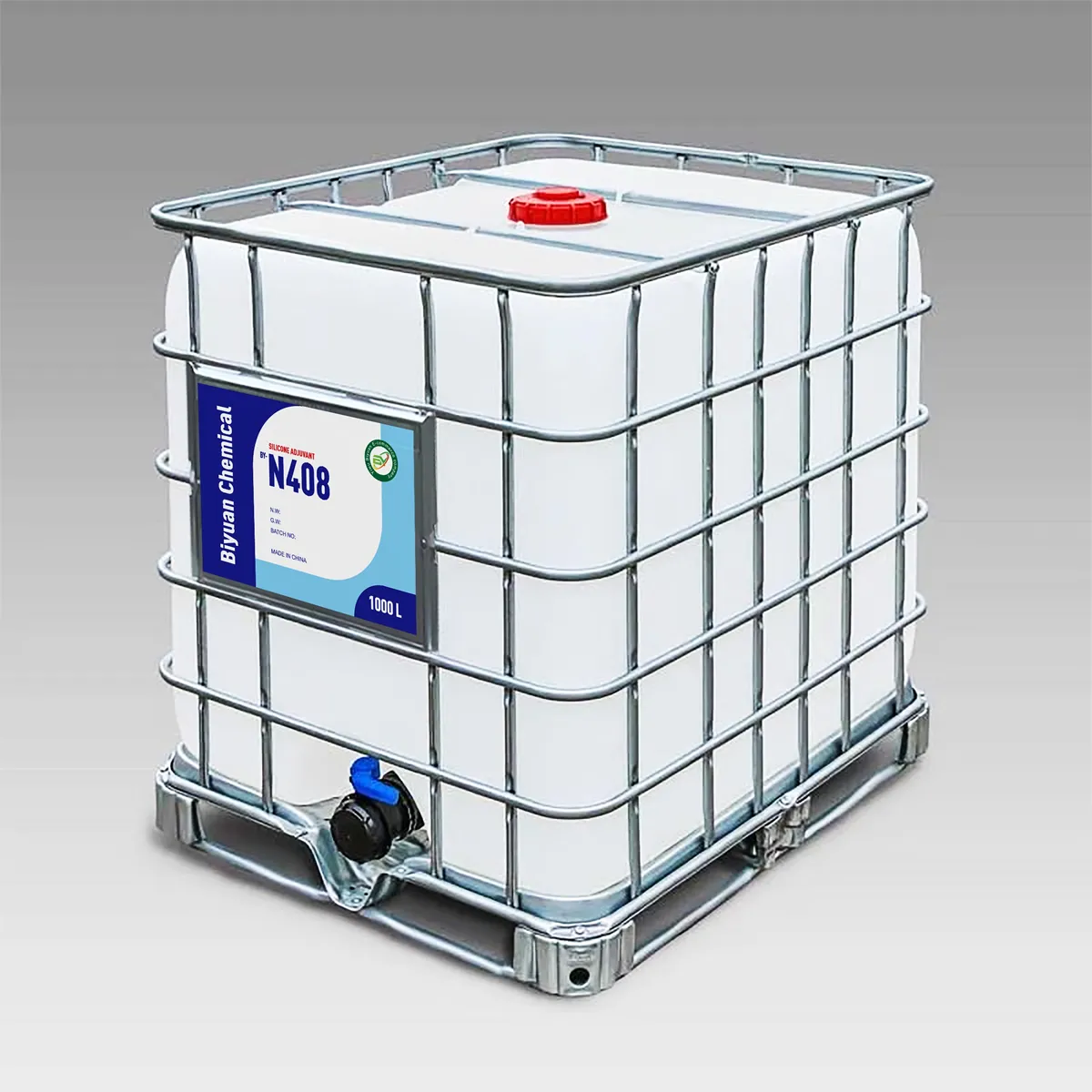
SILICONE ADJUVANT FOR AGRICULTURE
In the era of precision agriculture, SILICONE ADJUVANT has redefined crop protection standards through its advanced surfactant technology. By leveraging organosilicon compounds, this innovative solution tackles fundamental challenges in pesticide application with unparalleled efficacy. The agent’s core strength lies in its ability to transform liq.
SILICONE ADJUVANT FOR DEFOAMER
SILICONE DEFOAMER: REDEFINING INDUSTRIAL FOAM CONTROL In the demanding environments of chemical processing, food production, and bio-fermentation, foam presents a persistent challenge to operational efficiency and product quality. SILICONE DEFOAMER emerges as a critical solution, engineered with advanced organosilicone technology to deliver unparalleled.
SILICONE ADJUVANT FOR COATINGS AND INKS
Within the coatings and inks industry, achieving flawless surface aesthetics and superior functionality presents persistent challenges in formulation design and application. Silicone additives address these challenges through advanced molecular technology designed to precisely modulate surface tension and interfacial properties. Their core functionality st.
SILICONE ADJUVANT FOR PLASTIC AND RUBBER PROCESSING
Silicone adjuvants are transforming plastic and rubber manufacturing through their exceptional interface modification capabilities. These specialized additives enable significant processing improvements, including up to 40% reduction in melt viscosity, enhanced filler dispersion, and elimination of surface defects—all while increasing extrusion efficiency .