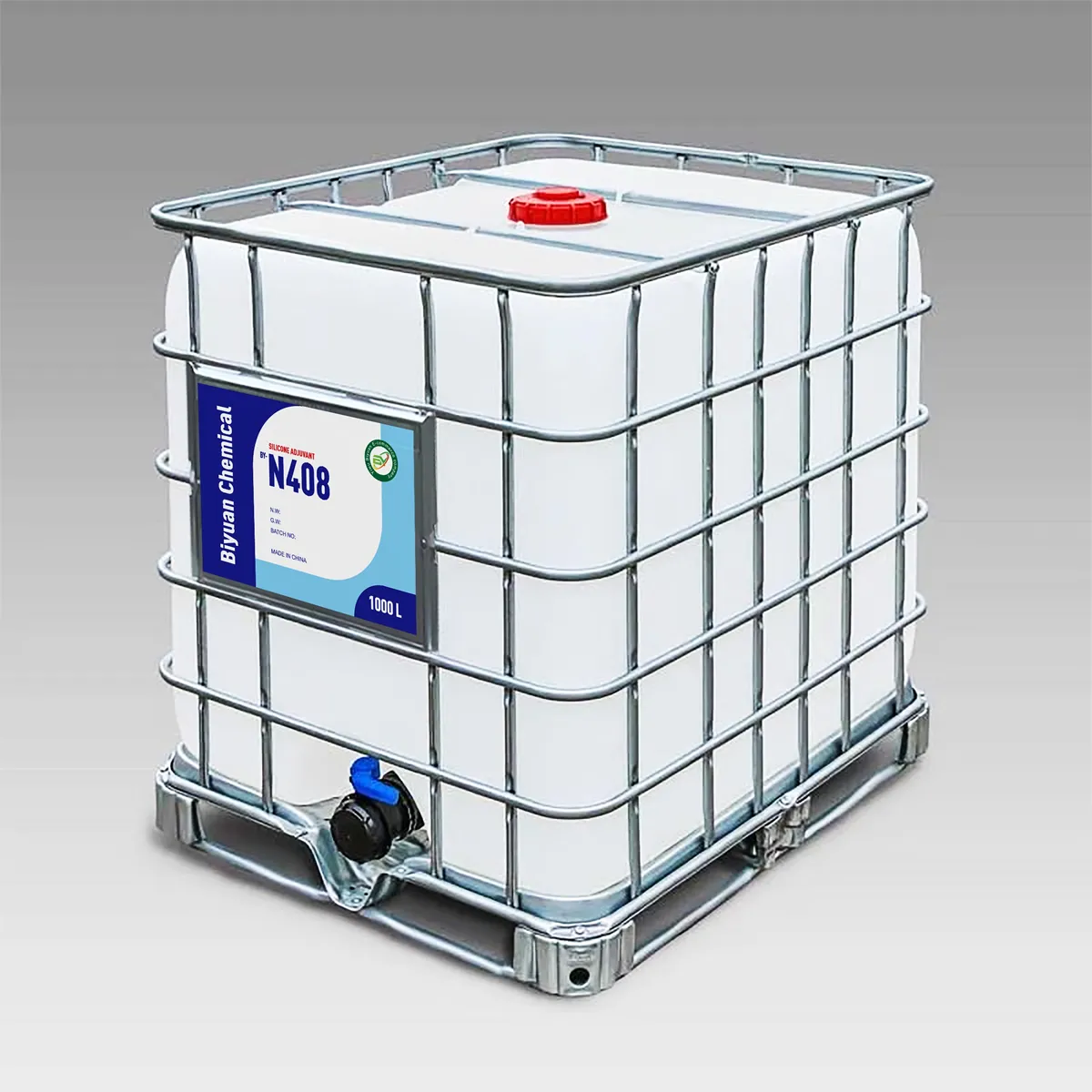
silicone adjuvant
What is the import/export regulation for silicone adjuvants? - silicone adjuvant factory and suppliers
silicone adjuvant factory and suppliers
silicone adjuvant
Information Center
Everything you need to know about our products and company
What is the import/export regulation for silicone adjuvants?
Understanding Silicone Adjuvants: Regulations, Applications, and Market Insights
What Are Silicone Adjuvants?
Silicone adjuvants are specialized chemical additives that enhance the performance of various formulations across multiple industries. These versatile compounds act as wetting agents, defoamers, rheology modifiers, and adhesion promoters, significantly improving the efficacy and efficiency of end products. The global silicone additives market was valued at approximately 1.8billionin2024andisprojectedtogrowatacompoundannualgrowthrate(CAGR)of73.2 billion by 2032.
Key Applications and Industry Usage
Agriculture Sector
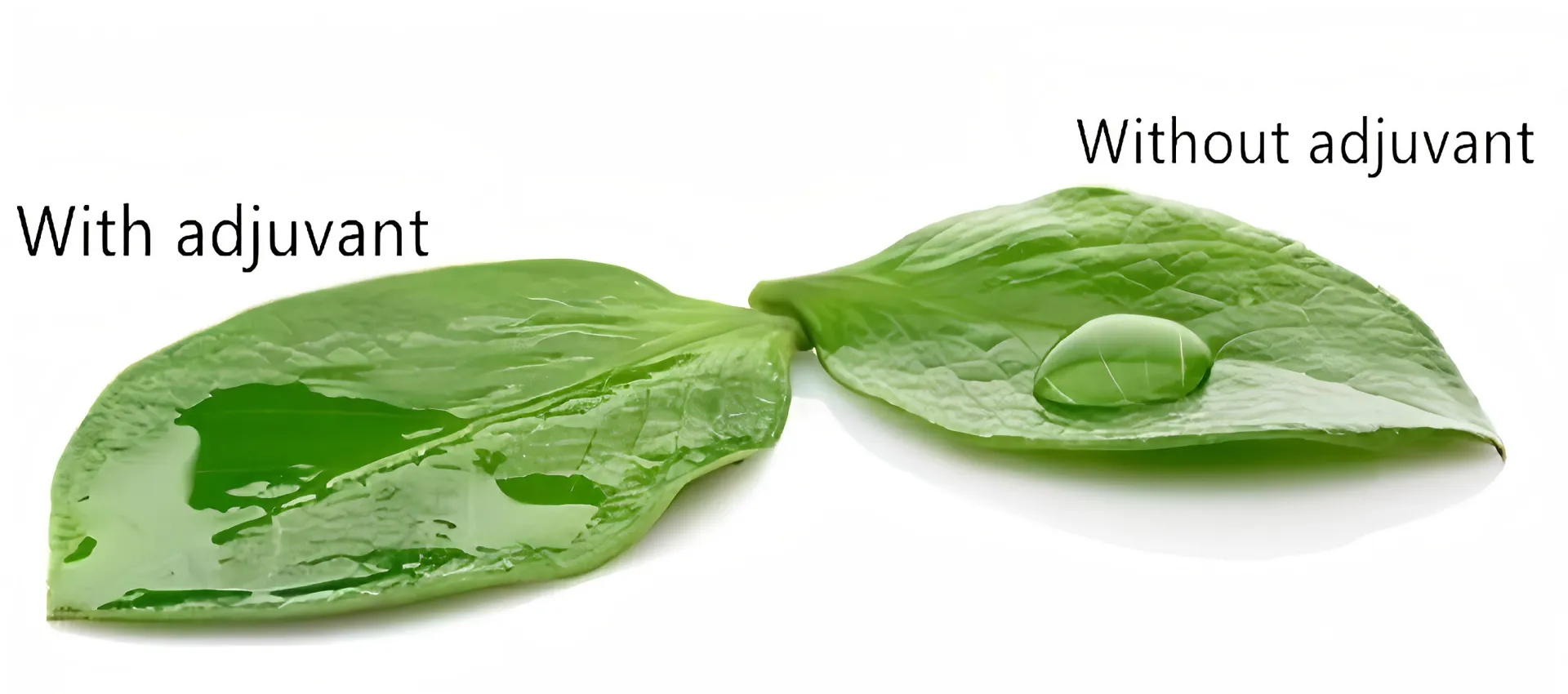
In agricultural applications, silicone adjuvants serve as powerful wetting agents that dramatically reduce surface tension, enhancing the spread and penetration of herbicides and pesticides on targeted leaves. This improved efficacy allows for reduced chemical usage while maintaining effectiveness. Typical use rates range from 0.025% to 0.15% for herbicides and 0.025% to 0.1% for insecticides.
Industrial Applications
The versatility of silicone adjuvants extends across multiple industrial sectors:
- Inks and Coatings: Provide superior slip properties, improved mar resistance, better leveling, and effective foam control at very low concentrations
- Textiles: Offer defoaming, lubrication, and enhanced softness while improving processing efficiency during manufacturing
- Personal Care: Deliver improved softness, shine, conditioning, and detangling properties in hair and skin care products
- Automotive: Enhance gloss, shine, and beading characteristics in various automotive components
- Construction: Improve durability, water resistance, and flexibility in adhesives, sealants, and coatings
Regulatory Framework and Compliance
International Standards and Certifications
Silicone adjuvants must comply with stringent international standards depending on their application:
Food and Medical Applications:
- FDA 21 CFR 175.300 compliance for food-contact materials
- USP Class VI and ISO 10993 biocompatibility standards for medical applications
- EFfCI GMP certification for cosmetics
- FSSC 22000 food safety standard
Industrial and Automotive Standards:
- IATF 16949 certification for automotive applications
- ISO 9001 and ISO 14001 quality and environmental management systems
- REACH, ROHS, and PAHS compliance for chemical safety
Import/Export Regulations
When exporting silicone adjuvants, manufacturers must adhere to specific customs requirements:
- Customs Code: Liquid silicone typically falls under HS code 3910000000
- Declaration Elements: Include brand type, export preferential treatment, intended use, appearance, solubility in water, and ingredient content
- Documentation Requirements: Export contracts, commercial invoices, packing lists, and safety data sheets (SDS)
- Tariff Considerations: Tariff rates vary by destination country, with potential preferential rates available under specific trade agreements
Market Analysis and Growth Drivers
Regional Market Dynamics
The Asia-Pacific region dominates the global silicone additives market, driven by rapid industrialization, growing manufacturing activity, and increasing demand from the automotive, construction, and electronics sectors. Key markets include China, Japan, South Korea, India, and Southeast Asian countries.
Growth Factors
Several key factors are driving market expansion:
- Automotive Industry Demand: Silicone additives improve performance and durability of automotive components, with increasing focus on fuel efficiency and emission reduction
- Construction Sector Growth: Infrastructure development globally, particularly in emerging markets, is boosting demand for high-performance construction materials
- Electric Vehicle Manufacturing: Silicon-based additives are increasingly used in lightweight, high-performance materials for EVs, especially for battery components
- Consumer Electronics: Growing demand for advanced materials in smartphones, wearables, and smart devices
- Sustainability Trends: Eco-friendly formulations and sustainable production methods are gaining traction
Product Performance and Technical Specifications
Key Performance Metrics
When evaluating silicone adjuvants, manufacturers should consider:
- Temperature Resistance: High-performance variants can withstand sustained temperatures up to 300°C
- Tensile Strength: Minimum requirements typically start at ≥1.5 MPa
- Elongation at Break: ≥300% for flexible applications
- Cure Time: RTV silicones typically cure in 24 hours at room temperature
- UV Resistance: Essential for outdoor applications to prevent discoloration and degradation
Quality Assurance
Reputable manufacturers provide:
- Batch-specific SDS documentation
- Third-party test reports for peel strength and aging resistance
- On-site audit capabilities
- Technical support and custom formulation services
Customer Pain Points and Solutions
Common Challenges
- Regulatory Compliance: Navigating complex international standards and certification requirements
- Performance Consistency: Ensuring batch-to-batch consistency in product quality
- Technical Support: Access to expert guidance for application-specific formulations
- Supply Chain Reliability: Ensuring timely delivery and consistent quality
- Cost Efficiency: Balancing performance requirements with budget constraints
Biyuan’s Solutions
Biyuan addresses these challenges through:
Comprehensive Certification Portfolio: Our products are certified to ISO 9001, ISO 14001, IATF 16949, and FDA standards, ensuring global compliance
Advanced R&D Capabilities: With over 20 years of technical expertise, we offer custom formulations tailored to specific application requirements
Quality Control Systems: Rigorous batch testing and third-party verification ensure consistent performance
Global Supply Chain: Multiple production bases and established logistics networks guarantee reliable delivery
Cost-Effective Solutions: Competitive pricing without compromising on quality or performance
Case Study: Agricultural Application Success
A leading agricultural chemical manufacturer partnered with Biyuan to develop a specialized silicone adjuvant for their herbicide formulations. The challenge was to improve wetting and spreading characteristics while reducing surface tension to enhance leaf penetration.
Solution: Biyuan developed a custom polyether-modified trisiloxane formulation with ultra-low surface tension properties.
Results:
- Herbicide efficacy improved by 35% with the same active ingredient concentration
- Spray coverage increased by 50%, reducing application frequency
- Customer achieved 20% cost savings through reduced chemical usage
- Product received EPA approval and is now used across multiple crop protection products
Industry Standards and Best Practices
Key Certifications to Look For
When sourcing silicone adjuvants, prioritize suppliers with:
- ISO 9001:2015 Quality Management System
- ISO 14001:2015 Environmental Management System
- IATF 16949 for automotive applications
- FDA 21 CFR compliance for food-contact materials
- REACH and ROHS compliance for chemical safety
Testing and Validation
Reputable manufacturers should provide:
- Complete material safety data sheets (MSDS)
- Third-party test reports for key performance metrics
- Compatibility testing with your specific formulations
- Technical data sheets with detailed specifications
Future Trends and Innovations
Market Outlook
The silicone additives market is poised for continued growth, driven by:
Sustainability Initiatives: Development of eco-friendly, biodegradable silicone formulations
Advanced Applications: Expansion into new sectors including renewable energy, medical devices, and advanced electronics
Smart Materials: Integration of silicone additives with smart technologies for responsive coatings and materials
Regional Expansion: Increasing demand from emerging markets in Asia, Latin America, and Africa
Technological Advancements
Key innovations shaping the industry include:
- Water-based Formulations: Reduced VOC emissions and improved environmental profile
- High-Performance Variants: Enhanced thermal stability and mechanical properties
- Customized Solutions: Tailored formulations for specific industry requirements
- Sustainable Production: Green chemistry approaches and renewable raw materials
Choosing the Right Supplier
When selecting a silicone adjuvant supplier, consider:
- Technical Expertise: Look for manufacturers with strong R&D capabilities and application-specific knowledge
- Quality Certifications: Verify compliance with relevant international standards
- Customization Options: Ability to develop tailored formulations for your specific needs
- Supply Chain Reliability: Established production capacity and logistics networks
- Technical Support: Access to expert guidance and troubleshooting services
- Cost Competitiveness: Competitive pricing without compromising quality
Biyuan stands out as a trusted partner with comprehensive capabilities across all these areas, offering high-quality silicone adjuvants backed by decades of technical expertise and a commitment to customer success.
Factory Products
Our most popular products loved by customers worldwide
SILICONE ADJUVANT FOR AGRICULTURE
In the era of precision agriculture, SILICONE ADJUVANT has redefined crop protection standards through its advanced surfactant technology. By leveraging organosilicon compounds, this innovative solution tackles fundamental challenges in pesticide application with unparalleled efficacy. The agent’s core strength lies in its ability to transform liq.
SILICONE ADJUVANT FOR DEFOAMER
SILICONE DEFOAMER: REDEFINING INDUSTRIAL FOAM CONTROL In the demanding environments of chemical processing, food production, and bio-fermentation, foam presents a persistent challenge to operational efficiency and product quality. SILICONE DEFOAMER emerges as a critical solution, engineered with advanced organosilicone technology to deliver unparalleled.
SILICONE ADJUVANT FOR COATINGS AND INKS
Within the coatings and inks industry, achieving flawless surface aesthetics and superior functionality presents persistent challenges in formulation design and application. Silicone additives address these challenges through advanced molecular technology designed to precisely modulate surface tension and interfacial properties. Their core functionality st.
SILICONE ADJUVANT FOR PLASTIC AND RUBBER PROCESSING
Silicone adjuvants are transforming plastic and rubber manufacturing through their exceptional interface modification capabilities. These specialized additives enable significant processing improvements, including up to 40% reduction in melt viscosity, enhanced filler dispersion, and elimination of surface defects—all while increasing extrusion efficiency .