silicone adjuvant
Is There a Minimum Temperature Requirement for Using a Silicone Adjuvant? - silicone adjuvant factory and suppliers
silicone adjuvant factory and suppliers
silicone adjuvant
Information Center
Everything you need to know about our products and company
Is There a Minimum Temperature Requirement for Using a Silicone Adjuvant?
Silicone adjuvants have become indispensable tools across industries ranging from agriculture and construction to plastic and rubber manufacturing. A critical question that professionals often face is whether these specialized additives have minimum temperature requirements for effective application. The answer is a definitive yes—temperature significantly impacts the performance, stability, and efficacy of silicone adjuvants.
Understanding Temperature Limits for Silicone Adjuvants
Most high-quality silicone adjuvants are formulated to operate within specific temperature ranges to ensure optimal performance. While formulations vary by manufacturer and application, the typical minimum temperature threshold for standard silicone adjuvants falls around 5°C (41°F) . Below this temperature, several operational challenges can occur:
- Reduced spreading efficiency due to increased viscosity
- Impaired surface wetting capabilities leading to uneven coverage
- Extended curing times that delay project completion
- Potential component separation affecting product consistency
Leading manufacturers like Biyuan address these limitations through advanced formulations that maintain functionality at lower temperatures. Their silicone adjuvants incorporate specialized additives that prevent thickening and separation, ensuring reliable performance even when temperatures dip toward the lower operational threshold .
Industry Standards and Certifications for Temperature Performance
Reputable silicone adjuvant manufacturers adhere to international standards that govern temperature requirements. When selecting a silicone adjuvant, professionals should look for products that comply with recognized certifications:
- ASTM C920: Standard specification for elastomeric joint sealants that includes temperature performance requirements
- ISO 11600: International standard for building construction joint sealants addressing temperature compatibility
- RoHS compliance: Indicates adherence to environmental directives, often correlating with rigorous quality control
Biyuan’s silicone adjuvants meet these critical standards, providing assurance of consistent performance across certified temperature ranges. This compliance is particularly valuable for construction applications where materials must withstand seasonal temperature variations without compromising structural integrity .
Temperature Considerations by Application Sector
Construction Industry Applications
In construction, silicone adjuvants face diverse temperature challenges depending on application timing and geographic location. For structural sealing and waterproofing, adjuvants must maintain adhesion and flexibility across temperature extremes. Biyuan’s SS850 silicone adhesive, for instance, offers reliable performance from -50°C to +150°C, making it suitable for projects in extreme climates from skyscrapers in cold regions to coastal infrastructure in tropical areas .
For joint sealing applications, temperature considerations extend beyond the adjuvant itself to the substrate conditions. Porous surfaces like concrete may require adjusted application techniques in colder temperatures, sometimes necessitating a 10-15% higher dosage to compensate for reduced penetration in cool conditions .
Plastic and Rubber Processing
In manufacturing environments, silicone adjuvants serve as critical process aids that must maintain stability under processing temperatures that can exceed 200°C. Biyuan’s adjuvants for plastic and rubber processing demonstrate exceptional thermal stability, remaining effective at continuous temperatures up to 220°C with some formulations capable of withstanding even higher short-term exposures .
This thermal resilience translates to tangible production benefits. In injection molding applications, Biyuan’s adjuvants reduce demolding force by up to 55% while maintaining consistent performance across temperature fluctuations common in manufacturing cycles. This temperature stability ensures uniform surface properties and dimensional accuracy in finished products .
Agricultural Applications
In agricultural contexts, temperature requirements take on different dimensions. Spray applications incorporating silicone adjuvants must account for both product stability and plant surface interactions. While agricultural adjuvants typically don’t face the extreme temperatures of industrial processes, they must perform reliably across typical field conditions ranging from 5°C to 40°C .
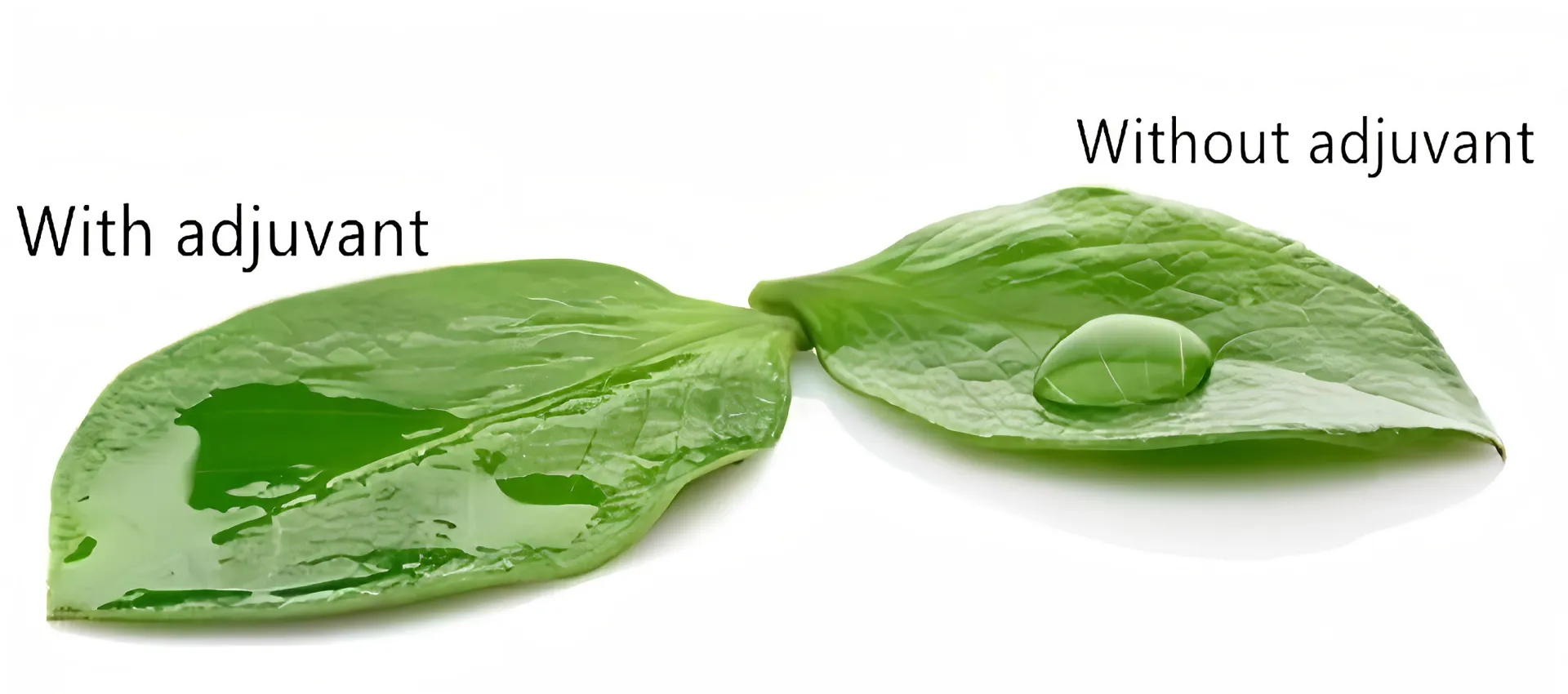
Biyuan’s agricultural silicone adjuvants maintain consistent spreading and wetting properties across this operational range, ensuring uniform pesticide coverage and enhanced rainfastness regardless of typical temperature fluctuations during application windows .
Advanced Formulations for Low-Temperature Challenges
Innovations in silicone adjuvant technology have yielded specialized products that push the boundaries of traditional temperature limitations. Through advanced polymer chemistry, manufacturers like Biyuan have developed formulations that maintain functionality below conventional thresholds.
Some breakthrough technologies include:
- Low-temperature plasticizers that maintain flexibility in cold conditions
- Specialized crosslinkers that enable curing at reduced temperatures
- Advanced stabilizers that prevent component separation when stored in cool environments
These innovations are particularly valuable for marine and coastal projects where increased salinity and moisture demand enhanced performance characteristics. For these challenging environments, Biyuan offers marine-grade formulations that maintain adhesion and durability despite temperature fluctuations and harsh conditions .
The Economic Impact of Temperature-Stable Silicone Adjuvants
Selecting temperature-appropriate silicone adjuvants delivers significant economic advantages across industries. In manufacturing, adjuvants that maintain stability across processing temperatures contribute to:
- Reduced energy consumption (8-15% documented savings)
- Extended equipment life through reduced thermal stress
- Improved production yields (3-5% typical increase)
- Reduced rejection rates due to consistent performance
For construction projects, temperature-stable adjuvants minimize weather-related delays and ensure application success regardless of seasonal variations. This reliability translates to predictable project timelines and reduced need for rework due to temperature-related failures.
Biyuan’s commitment to temperature-stable formulations aligns with these economic priorities, with products engineered to deliver consistent performance across diverse climatic conditions. Their silicone adjuvants resist yellowing, cracking, and UV degradation, maintaining aesthetic and functional integrity for over 15 years in harsh climates .
Future Trends in Temperature Performance
The silicone adjuvant industry continues to advance temperature performance boundaries. Research focuses on expanding operational ranges while maintaining other critical performance characteristics. Key development areas include:
- Nano-composite synergy for enhanced low-temperature flexibility
- Reactive functionalization for improved temperature resistance
- Smart temperature adaptation technologies that self-adjust to environmental conditions
Biyuan invests significantly in R&D to address these evolving market demands, developing next-generation adjuvants capable of meeting increasingly stringent temperature requirements across industrial applications .
Conclusion: Selecting the Right Silicone Adjuvant for Your Temperature Requirements
Understanding minimum temperature requirements is essential for successful silicone adjuvant application across industries. While standard products typically require minimum temperatures around 5°C for optimal performance, advanced formulations from manufacturers like Biyuan continue to expand these limits while delivering consistent results.
When evaluating silicone adjuvants for specific applications, professionals should consider not only the stated temperature range but also supporting certifications, application-specific testing data, and manufacturer expertise. Biyuan’s combination of technical innovation, quality certifications, and application-specific formulations makes them a preferred partner for projects demanding reliable performance across diverse temperature conditions.
By selecting temperature-appropriate silicone adjuvants from reputable manufacturers, businesses ensure project success, reduce operational costs, and achieve long-term durability regardless of environmental challenges.
Factory Products
Our most popular products loved by customers worldwide
SILICONE ADJUVANT FOR AGRICULTURE
In the era of precision agriculture, SILICONE ADJUVANT has redefined crop protection standards through its advanced surfactant technology. By leveraging organosilicon compounds, this innovative solution tackles fundamental challenges in pesticide application with unparalleled efficacy. The agent’s core strength lies in its ability to transform liq.
SILICONE ADJUVANT FOR DEFOAMER
SILICONE DEFOAMER: REDEFINING INDUSTRIAL FOAM CONTROL In the demanding environments of chemical processing, food production, and bio-fermentation, foam presents a persistent challenge to operational efficiency and product quality. SILICONE DEFOAMER emerges as a critical solution, engineered with advanced organosilicone technology to deliver unparalleled.
SILICONE ADJUVANT FOR COATINGS AND INKS
Within the coatings and inks industry, achieving flawless surface aesthetics and superior functionality presents persistent challenges in formulation design and application. Silicone additives address these challenges through advanced molecular technology designed to precisely modulate surface tension and interfacial properties. Their core functionality st.
SILICONE ADJUVANT FOR PLASTIC AND RUBBER PROCESSING
Silicone adjuvants are transforming plastic and rubber manufacturing through their exceptional interface modification capabilities. These specialized additives enable significant processing improvements, including up to 40% reduction in melt viscosity, enhanced filler dispersion, and elimination of surface defects—all while increasing extrusion efficiency .