silicone adjuvant
What are the technical specifications of a silicone adjuvant? - silicone adjuvant factory and suppliers
silicone adjuvant factory and suppliers
silicone adjuvant
Information Center
Everything you need to know about our products and company
What are the technical specifications of a silicone adjuvant?
Technical Specifications of Silicone Adjuvant: A Comprehensive Guide
Introduction to Silicone Adjuvant Technology
Silicone adjuvants represent a breakthrough in specialty chemical engineering, offering unparalleled performance across diverse industrial applications. These advanced additives are specifically formulated to enhance the efficacy of primary products in sectors ranging from agriculture to industrial manufacturing. At their core, silicone adjuvants are sophisticated chemical modifiers that leverage unique molecular structures to optimize processes and improve end-product quality. As industries increasingly prioritize efficiency and sustainability, understanding the technical specifications of these powerful additives becomes essential for manufacturers seeking competitive advantages .
The fundamental value proposition of silicone adjuvants lies in their ability to modify surface characteristics and improve lubricity, enabling smoother processing, reducing energy consumption, and elevating final product quality. With global markets demanding more sustainable manufacturing solutions, silicone adjuvants provide the perfect balance between ecological responsibility and technical excellence .
Key Technical Specifications and Physical Properties
Basic Physical Characteristics
Silicone adjuvants typically appear as colorless to pale yellow transparent oily liquids with specific physical parameters that define their performance capabilities. The viscosity range generally falls between 25-35 mm²/s at 25°C, though specialized formulations can extend this spectrum from 200-500 cst for specific applications such as PU resin modification . This controlled viscosity enables optimal flow characteristics across various temperature conditions.
The surface tension reduction capability represents one of the most critical specifications, with premium adjuvants achieving measurements below 20.5 mN/m at concentrations as low as 0.1% . This ultra-low surface tension facilitates exceptional spreading and wetting properties that significantly enhance coverage efficiency in agricultural and industrial applications.
Temperature Resistance and Stability
High-performance silicone adjuvants demonstrate remarkable thermal stability, maintaining functionality across a broad temperature spectrum from -50°C to 250°C . This resilience ensures consistent performance under extreme processing conditions, making them suitable for applications requiring heat curing or exposure to environmental temperature variations. The thermal degradation threshold typically begins above 220°C, with some specialized formulations engineered to withstand temperatures exceeding 350°C for advanced industrial processes .
Solubility and Compatibility Profiles
The amphiphilic nature of silicone adjuvants enables versatile solubility characteristics. They are miscible with water, alcohols, and hydrocarbon solvents, providing formulators with flexible incorporation options across different systems . This balanced solubility profile stems from their unique molecular architecture that combines hydrophilic polyether segments with hydrophobic siloxane backbones, creating surfactants that effectively bridge interfaces between diverse materials .
Chemical Composition and Molecular Structure
Architectural Foundation
The exceptional performance of silicone adjuvants originates from their sophisticated chemical architecture. These compounds typically feature a backbone of siloxane linkages (Si-O-Si) with attached polyether segments that can be customized to achieve specific performance characteristics. The ratio of ethylene oxide (EO) to propylene oxide (PO) units within the polyether chains can be precisely controlled to tune the hydrophilic-lipophilic balance (HLB) for targeted applications .
Advanced formulations may incorporate reactive functional groups including primary hydroxyl, vinyl, or epoxy functionalities that enable chemical bonding with substrate materials. This reactive capability is particularly valuable in polyurethane systems, where silicone adjuvants with primary hydroxyl termination can graft into PU resins to enhance hydrolysis stability and abrasion resistance .
Synthesis and Manufacturing Precision
The production of high-quality silicone adjuvants involves precision engineering through catalytic addition reactions under carefully controlled conditions. Manufacturing protocols typically specify platinum catalyst loading between 10-50 ppm with gradient temperature control (80°C → 120°C → 90°C) and reaction under nitrogen protection to maintain oxygen content below 0.1% . Post-synthesis processing includes molecular distillation for low-boiling component removal and ceramic membrane ultrafiltration to ensure product purity and consistency .
Performance Metrics and Industry Standards
Agricultural Application Specifications
In agricultural applications, silicone adjuvants demonstrate quantifiable performance improvements that translate to significant operational benefits. Premium formulations like Silway 246D reduce surface tension to approximately 20.4 mN/m at 0.1% concentration, enabling up to 70% reduction in spray volumes while improving crop coverage . Typical use rates range from 0.015% to 0.15% depending on the application method and target crop, making them highly cost-effective solutions for modern farming .
Standardized testing protocols confirm that silicone adjuvants can reduce water absorption time from >60 seconds to under 3 seconds while improving moisture evaporation rates by 75% compared to untreated surfaces . These performance characteristics are particularly valuable for agrochemical applications where rapid uptake and even distribution directly impact efficacy.
Textile Industry Performance Data
In textile processing, silicone adjuvants deliver measurable improvements in key quality metrics. Comprehensive testing documents 40-50% reduction in fiber friction coefficients, 35-45% reduction in bending stiffness, and electrostatic half-life reduction from 120 seconds to under 2 seconds . Perhaps most impressively, premium formulations maintain over 85% performance retention after 50 industrial wash cycles, demonstrating exceptional durability that exceeds conventional alternatives by 15-20% .
Plastic and Rubber Processing Enhancements
When incorporated into plastic and rubber formulations, silicone adjuvants enable substantial processing improvements including up to 40% reduction in melt viscosity, 50% reduction in demolding force, and 19% reduction in extruder current requirements . These processing benefits translate directly to economic advantages through 15-20% increased production output and 8-15% reduced energy consumption while maintaining compliance with stringent international standards including FDA 21 CFR 178.2010 for food contact materials .
Certification and Compliance Standards
Regulatory Approvals
Leading silicone adjuvant manufacturers prioritize compliance with global regulatory frameworks to ensure market accessibility and user safety. Premium products typically carry multiple certifications including OEKO-TEX® Standard 100, ISO 9001 quality management systems, and compliance with EU REACH and RoHS directives . These certifications validate that products meet rigorous safety and quality benchmarks for international markets.
Environmental and Safety Profiles
Modern silicone adjuvants are engineered with environmental responsibility as a core consideration. Comprehensive testing confirms biodegradability exceeding 90% within 28 days according to OECD 301B protocols, along with absence of restricted substances including APEO and formaldehyde . The non-toxic nature of these additives combined with their ability to reduce chemical usage in agricultural applications positions them as sustainable solutions for environmentally conscious industries .
Industry Applications and Functional Benefits
Agricultural Implementations
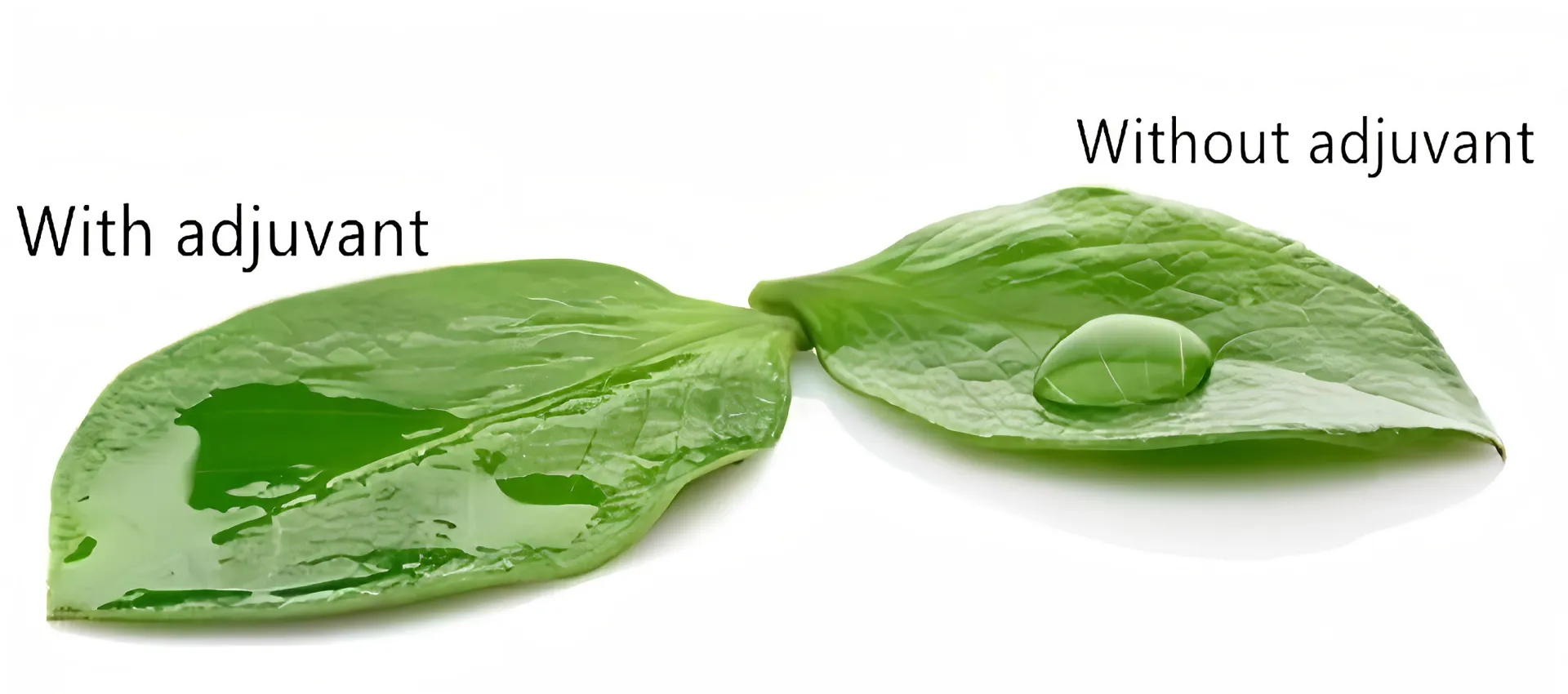
Silicone adjuvants revolutionize agricultural chemical application through multiple mechanisms of action. As tank-mix additives, they enhance the performance of herbicides, insecticides, fungicides, and plant growth regulators by improving spray coverage, increasing droplet retention, and promoting uptake through plant cuticles . The superspreading capability enables complete coverage of even hard-to-wet surfaces like waxy leaves, ensuring active ingredients reach their intended targets.
Case studies document specific performance improvements, including 96% reduction in water absorption time for sportswear treatments and 98.5% reduction in electrostatic half-life for anti-static workwear . These transformative enhancements explain why leading textile manufacturers increasingly incorporate silicone adjuvants as essential components of their finishing processes.
Plastic and Rubber Processing
The unique interfacial activity of silicone adjuvants delivers substantial benefits in plastic and rubber manufacturing. They function as efficient processing aids that reduce melt viscosity, improve filler dispersion, prevent surface defects, and facilitate mold release . Specific applications range from injection molding of precision parts to extrusion of pipes and films, where they enable higher production speeds while reducing energy consumption.
In challenging applications such as thin-wall PP food containers, the addition of 0.8% silicone adjuvant increases demolding success rates from 82% to 99% while improving surface glossiness and maintaining compliance with food contact regulations . For antistatic PE films, blending 0.5% adjuvant with conductive carbon black achieves stable surface resistance of 10⁹ Ω while reducing friction coefficients to 0.15 and increasing production efficiency by 18% .
Market Analysis and Industry Trends
Growth Drivers and Demand Patterns
The global silicone adjuvant market experiences sustained expansion driven by multiple converging factors. Industrial upgrading initiatives generate 8-12% annual growth in high-end plastic product penetration, while the specialty rubber market demonstrates 6-8% compound annual growth . Simultaneously, environmental regulations phase out traditional additives, creating substitution opportunities estimated at $1.2 billion for multifunctional alternatives .
In agricultural sectors, the trend toward sustainable farming practices accelerates adoption of silicone adjuvants that enable 50% reduction in pesticide usage while maintaining efficacy . The expanding organic farming segment particularly values silicone adjuvants compatible with certification standards, driving innovation in bio-based formulations .
Innovation Trajectories and Future Developments
Leading manufacturers like Biyuan invest heavily in research and development to advance silicone adjuvant technology along three primary vectors: higher performance, enhanced sustainability, and intelligent functionality . Emerging innovations include temperature-responsive and pH-responsive formulations for smart applications, bio-based feedstocks from renewable resources, and nanocomposite technologies incorporating graphene for enhanced conductivity .
The industry progression clearly moves toward multifunctional additives that deliver combined benefits while simplifying formulation complexity. This evolution responds to manufacturer demands for streamlined processes and reduced inventory requirements without compromising end-product performance .
Biyuan’s Technological Leadership in Silicone Adjuvants
Engineering Excellence and Quality Assurance
As a pioneer in silicone adjuvant technology, Biyuan establishes industry benchmarks through rigorous quality control and continuous innovation. The company’s state-of-the-art manufacturing facilities integrate advanced reaction systems with precision monitoring technologies to ensure batch-to-batch consistency . Their “Application-First” design philosophy prioritizes real-world performance, with formulators collaborating directly with clients to develop tailored solutions for specific challenges .
Biyuan’s technical capabilities include nano-palladium catalysis, supercritical CO₂ reaction media, and microwave-ultrasonic synergistic activation systems that enable precise molecular engineering . These advanced technologies facilitate the creation of custom-tailored adjuvants with optimized performance characteristics for specialized applications across diverse industries.
Proven Performance Across Sectors
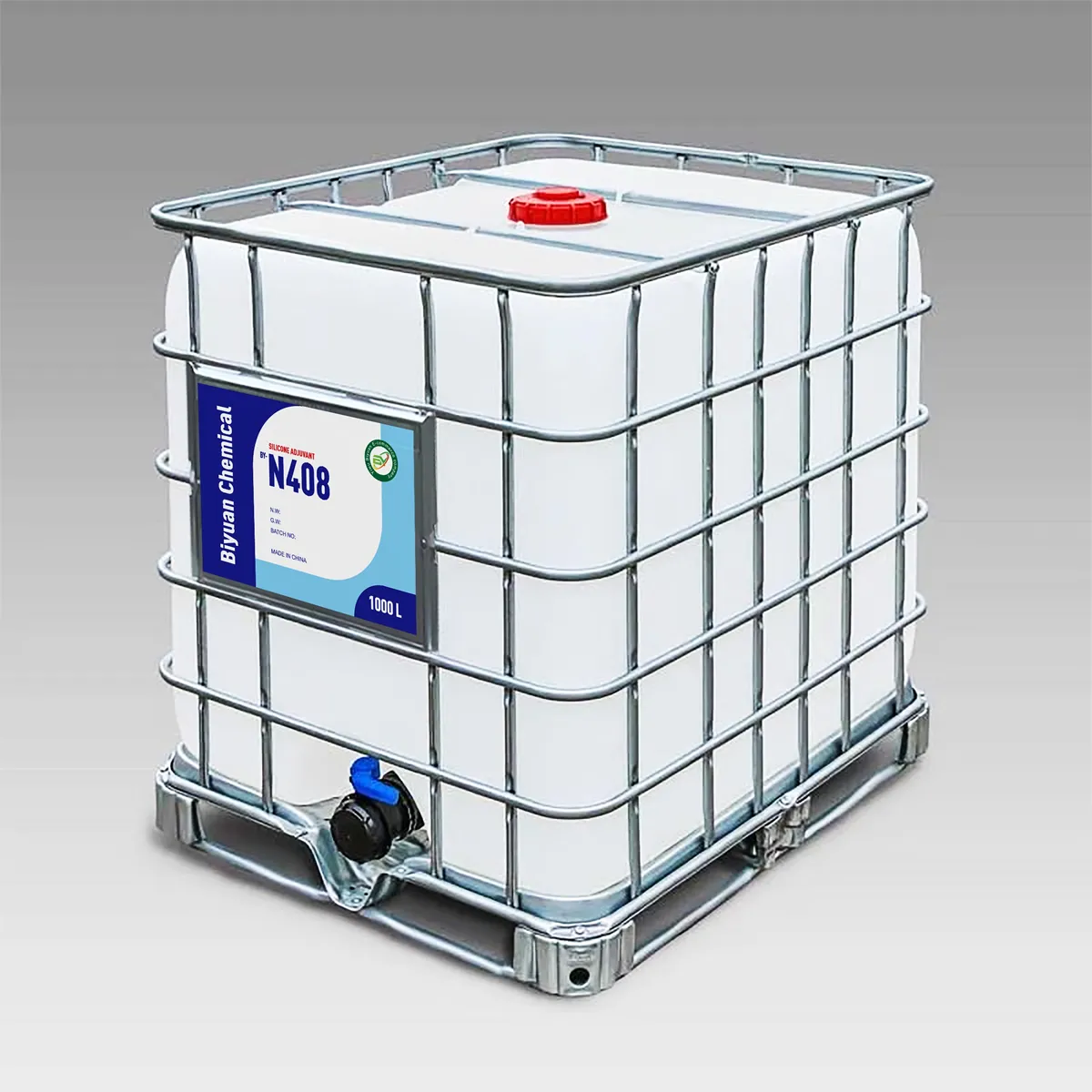
Biyuan’s silicone adjuvants deliver documented performance improvements across multiple sectors. In agricultural applications, their formulations enable up to 70% reduction in spray volumes while improving pesticide efficacy and reducing environmental impact . For textile manufacturers, Biyuan’s BY-N408 series demonstrates 46% reduction in fiber friction coefficients and 42% reduction in bending stiffness while maintaining 87% performance retention after 50 wash cycles .
Perhaps most impressively, Biyuan’s adjuvants for plastic and rubber processing enable 55% reduction in demolding force, 57% reduction in friction coefficients, and 19% reduction in extruder current requirements . These measurable improvements translate directly to enhanced productivity, reduced operating costs, and superior end-product quality for industrial clients.
Conclusion: The Strategic Value of Precision-Engineered Silicone Adjuvants
Silicone adjuvants represent a transformative technology category that delivers measurable improvements in process efficiency, product performance, and sustainability metrics. Their technical specifications—from viscosity and surface tension to thermal stability and compatibility profiles—define their functional capabilities across diverse applications. As industries face increasing pressure to optimize resources while meeting evolving consumer expectations, these advanced additives provide strategic solutions that balance performance with responsibility.
Manufacturers seeking competitive advantages increasingly partner with innovative suppliers like Biyuan that combine technical expertise with application knowledge to develop customized adjuvant solutions. The precision engineering underlying high-quality silicone adjuvants enables manufacturers to achieve new levels of efficiency and quality across sectors from agriculture to advanced materials production. As technology continues to evolve, silicone adjuvants will undoubtedly play an increasingly vital role in enabling the next generation of industrial and consumer products.
Factory Products
Our most popular products loved by customers worldwide
SILICONE ADJUVANT FOR AGRICULTURE
In the era of precision agriculture, SILICONE ADJUVANT has redefined crop protection standards through its advanced surfactant technology. By leveraging organosilicon compounds, this innovative solution tackles fundamental challenges in pesticide application with unparalleled efficacy. The agent’s core strength lies in its ability to transform liq.
SILICONE ADJUVANT FOR DEFOAMER
SILICONE DEFOAMER: REDEFINING INDUSTRIAL FOAM CONTROL In the demanding environments of chemical processing, food production, and bio-fermentation, foam presents a persistent challenge to operational efficiency and product quality. SILICONE DEFOAMER emerges as a critical solution, engineered with advanced organosilicone technology to deliver unparalleled.
SILICONE ADJUVANT FOR COATINGS AND INKS
Within the coatings and inks industry, achieving flawless surface aesthetics and superior functionality presents persistent challenges in formulation design and application. Silicone additives address these challenges through advanced molecular technology designed to precisely modulate surface tension and interfacial properties. Their core functionality st.
SILICONE ADJUVANT FOR PLASTIC AND RUBBER PROCESSING
Silicone adjuvants are transforming plastic and rubber manufacturing through their exceptional interface modification capabilities. These specialized additives enable significant processing improvements, including up to 40% reduction in melt viscosity, enhanced filler dispersion, and elimination of surface defects—all while increasing extrusion efficiency .