silicone adjuvant
silicone adjuvant

Information Center

Everything you need to know about our products and company

Does a Silicone Adjuvant Have Any Effect on Soil Microorganisms?

In the pursuit of sustainable agriculture, silicone adjuvantshave gained prominence for their ability to enhance the efficacy of agrochemicals. However, as the agricultural sector becomes increasingly mindful of environmental impact, a critical question arises: How do these adjuvants affect the complex ecosystem of soil microorganisms, which are vital for soil health and plant productivity? Understanding this interaction is crucial for farmers, agronomists, and silicone adjuvant factoryoperations committed to ecological responsibility.

The Direct and Indirect Pathways of Influence

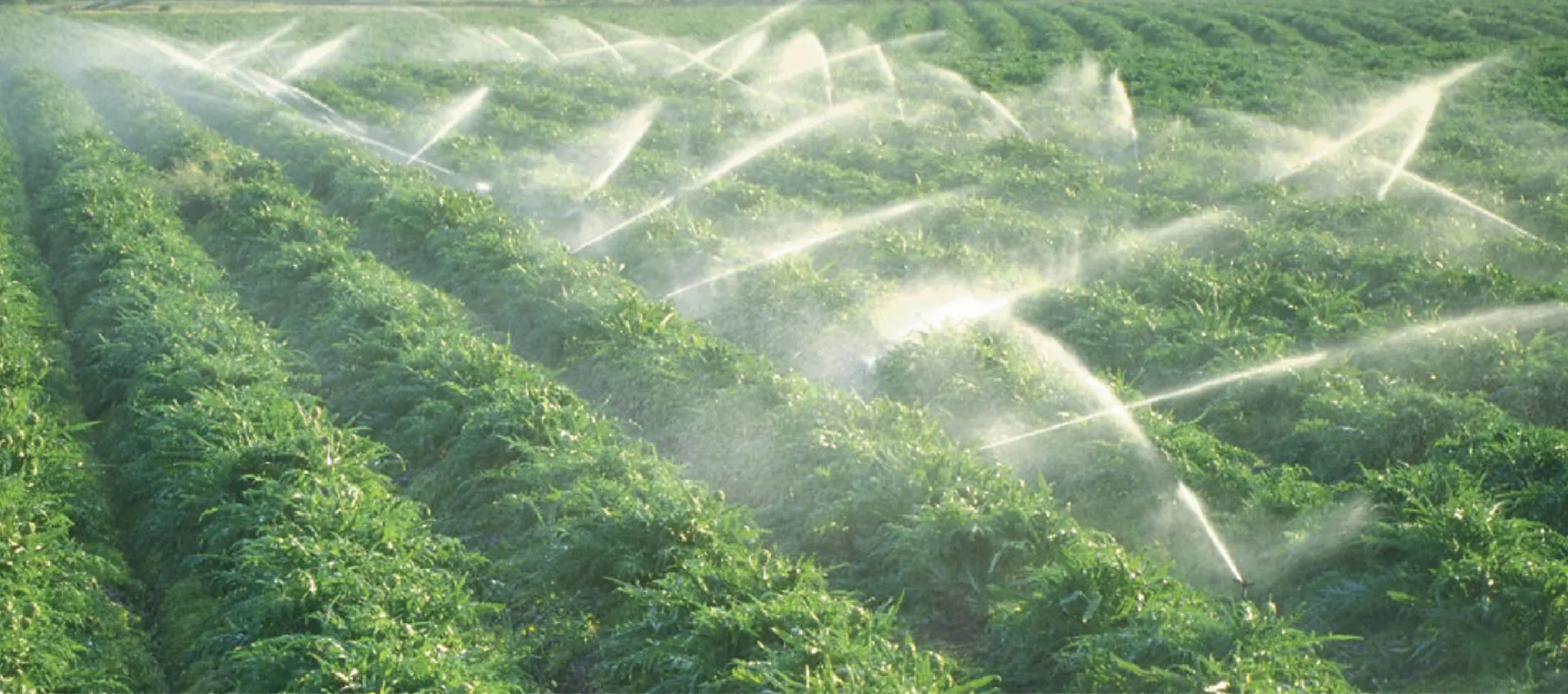
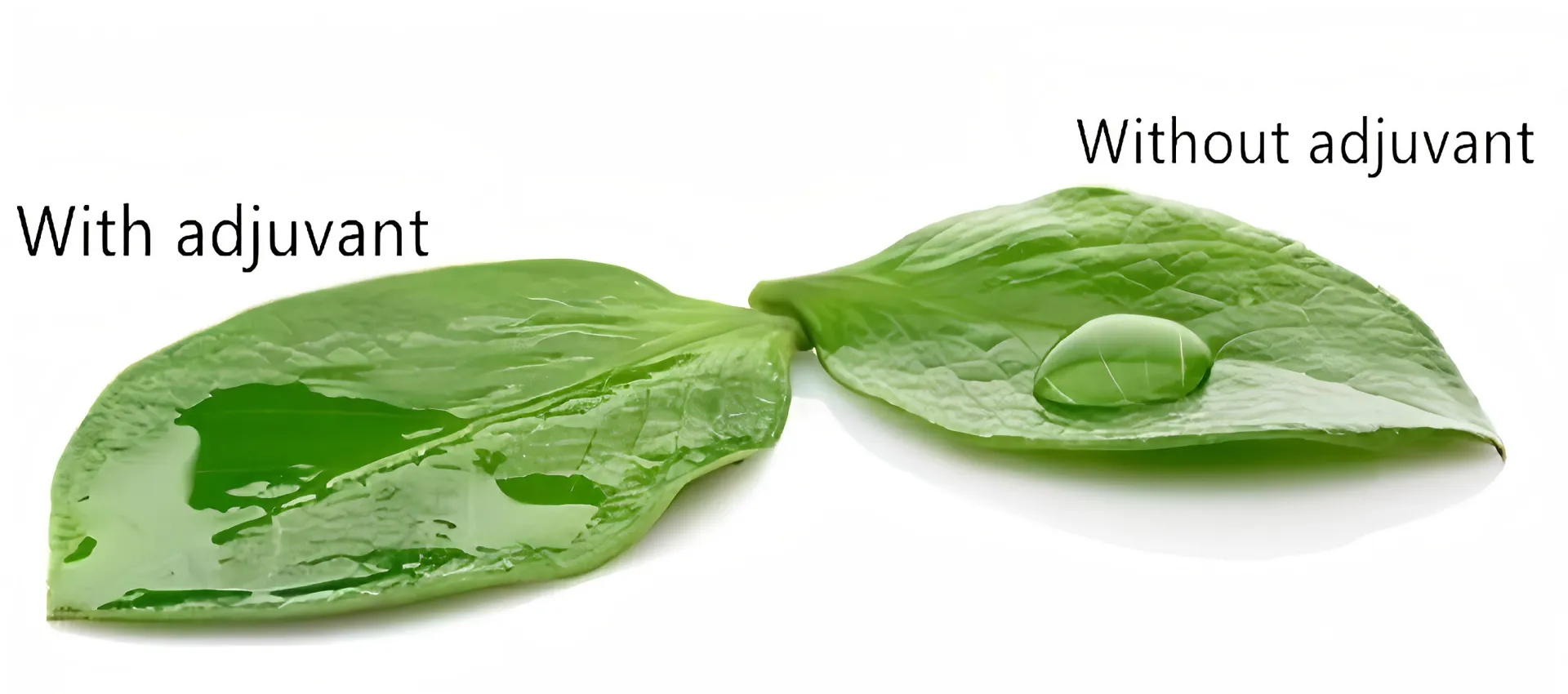
A silicone adjuvantitself is typically designed to be biologically inert in soil. Its primary function is to modify the physical properties of a spray solution—such as surface tension and droplet spread—to improve the coverage and adherence of pesticides or fertilizers on plant foliage . When these adjuvants reach the soil, either through direct application or runoff, they are not a direct food source for soil microbes and thus are not known to cause significant shifts in microbial populations through direct consumption.

The more profound impact on soil microorganisms occurs indirectly, through the adjuvant’s effect on the associated agrochemicals. By increasing the efficiency of pesticides or herbicides, a high-quality silicone adjuvantcan lead to a substantial reduction in the amount of chemical active ingredient needed to achieve effective pest or weed control . This reduction is a key benefit promoted by a responsible silicone adjuvant factory. Lower chemical load in the environment directly translates to:

  • Reduced Stress on Soil Microbes:Many pesticides are broad-spectrum and can harm non-target beneficial microorganisms, such as decomposers and nitrogen-fixing bacteria. By enabling lower application rates, silicone adjuvants help minimize this collateral damage, preserving the microbial diversity essential for nutrient cycling .
  • Less Chemical Leaching and Persistence:Reduced pesticide usage decreases the risk of these chemicals leaching into groundwater or persisting in the soil, where they can chronically inhibit microbial functions .

Synergistic Benefits: Silicon-Based Amendments and Soil Health

While the focus is on silicone adjuvants, it’s insightful to consider the broader context of silicon-based products. Research into silicon fertilizers reveals a strongly beneficial relationship between soluble silicon and soil microbial communities. For instance, studies show that supplying silicon to soil can alter the microbial community positively, increasing the abundance of beneficial groups like Acidobacteriaand Thaumarchaeota. These microbes play roles in decomposing organic matter and cycling nutrients. A healthier, more robust microbial community can improve soil structure and fertility, creating a positive feedback loop for plant health .

Although a silicone adjuvantis not a silicon fertilizer, the overarching principle is that silicon-based products, when well-designed, can contribute to a healthier soil ecosystem. This is a significant consideration for a silicone adjuvant factoryaiming to position its products as part of a sustainable agricultural system.

Addressing a Key Agricultural Challenge: Heavy Metal Mitigation

One of the most critical roles of a healthy soil microbiome is in mitigating abiotic stresses like heavy metal contamination. Certain silicon-based amendments have been demonstrated to reduce the bioavailability of heavy metals like cadmium (Cd) in the soil. This reduction is achieved through a dual mechanism: the silicon itself helps immobilize the metals, and it also fosters a microbial community that contributes to this process . For example, silicon fertilizer was found to be the most effective amendment in reducing cadmium bioavailability in soil and its uptake in wheat seeds by over 52%, outperforming other treatments like biochar .

For industries operating in or near contaminated lands, using adjuvants that support such mechanisms indirectly through reduced chemical load is a step toward safer food production. Biyuan’s adjuvants are developed with an understanding of these complex soil dynamics, ensuring compatibility with integrated soil health management programs.

Case Study and Market Application: Enhancing Efficacy, Protecting the Ecosystem

Consider the challenge of controlling fungal diseases in oilseed rape. Research has demonstrated that adding a silicone adjuvantto the fungicide prochloraz significantly enhanced its rain fastness and prolonged its period of validity against Sclerotinia sclerotiorum. More importantly, the study confirmed that the adjuvant and the fungicide mixture had no inhibitory effect on the growth and development of the oilseed rape plants themselves, indicating no apparent phytotoxicity or severe disruption to the plant’s rhizosphere . This is a practical example of how a silicone adjuvantachieves its primary goal—enhancing performance—without negative side effects, a balance that Biyuan strives for in its product development.

Conclusion

The question, “Does a silicone adjuvant have any effect on soil microorganisms?” can be answered with a nuanced perspective. A high-quality silicone adjuvant, such as those produced by Biyuan, does not directly harm soil microbial life. Its most significant effect is profoundly positive but indirect: by dramatically improving the efficiency of pesticides, it enables farmers to use lower quantities of these chemicals, thereby reducing the toxic pressure on the beneficial organisms that sustain soil health. In an era where sustainable practices are paramount, choosing a silicone adjuvantfrom a reputable silicone adjuvant factorylike Biyuan is not just a decision for crop efficacy, but a commitment to preserving the biological foundation of agriculture—the soil itself.

Factory Products

Our most popular products loved by customers worldwide

SILICONE ADJUVANT FOR AGRICULTURE

SILICONE ADJUVANT FOR AGRICULTURE

In the era of precision agriculture, SILICONE ADJUVANT has redefined crop protection standards through its advanced surfactant technology. By leveraging organosilicon compounds, this innovative solution tackles fundamental challenges in pesticide application with unparalleled efficacy. The agent’s core strength lies in its ability to transform liq.

SILICONE ADJUVANT FOR DEFOAMER

SILICONE ADJUVANT FOR DEFOAMER

SILICONE DEFOAMER: REDEFINING INDUSTRIAL FOAM CONTROL In the demanding environments of chemical processing, food production, and bio-fermentation, foam presents a persistent challenge to operational efficiency and product quality. SILICONE DEFOAMER emerges as a critical solution, engineered with advanced organosilicone technology to deliver unparalleled.

SILICONE ADJUVANT FOR COATINGS AND INKS

SILICONE ADJUVANT FOR COATINGS AND INKS

Within the coatings and inks industry, achieving flawless surface aesthetics and superior functionality presents persistent challenges in formulation design and application. Silicone additives address these challenges through advanced molecular technology designed to precisely modulate surface tension and interfacial properties. Their core functionality st.

SILICONE ADJUVANT FOR PLASTIC AND RUBBER PROCESSING

SILICONE ADJUVANT FOR PLASTIC AND RUBBER PROCESSING

Silicone adjuvants are transforming plastic and rubber manufacturing through their exceptional interface modification capabilities. These specialized additives enable significant processing improvements, including up to 40% reduction in melt viscosity, enhanced filler dispersion, and elimination of surface defects—all while increasing extrusion efficiency .

Contact Us

We're here to help with any questions or inquiries you may have

Send us a message

Contact Information

Address

No. 116, Jiangdong Street, Yiwu City, Jinhua City, Zhejiang Province,China

Phone

+86 18807097967

Email

silicone1985@gmail.com

Follow Us